
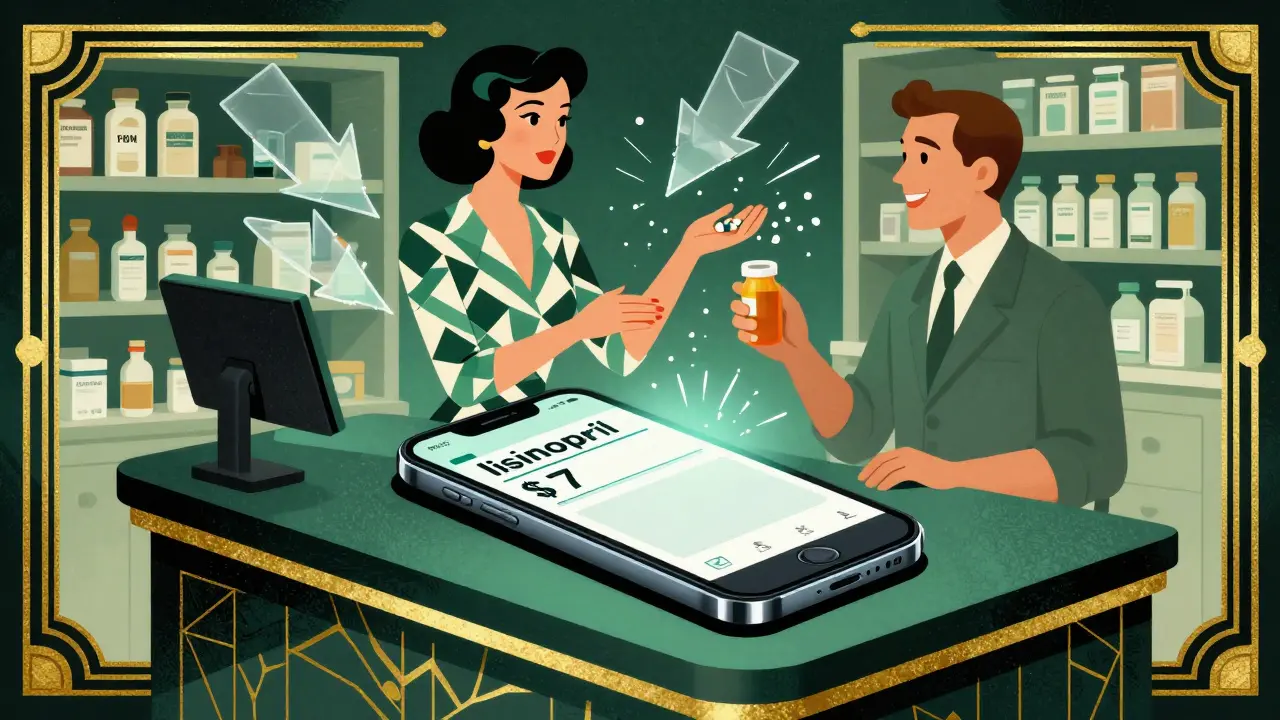
For years, getting your generic medications meant driving to a pharmacy, waiting in line, and paying whatever price the system handed you-often hundreds of dollars more than the drug actually costs to make. But that’s changing. A new wave of direct-to-consumer generic pharmacies is cutting out the middlemen, offering transparent pricing, and delivering pills straight to your door. This isn’t science fiction. It’s happening right now, and it’s reshaping how millions of Americans access the drugs they need every day.
What Exactly Is a Direct-to-Consumer Generic Pharmacy?
A direct-to-consumer (DTC) generic pharmacy skips the traditional chain: manufacturer → wholesaler → pharmacy benefit manager (PBM) → retail pharmacy → patient. Instead, it sells generic medications straight from the source-or a licensed partner-to you, the patient. Think of it like buying a phone directly from Apple instead of through Verizon. You cut out the middle layers that inflate prices and hide costs.
Unlike brand-name DTC platforms like LillyDirect or PfizerForAll-which focus on expensive drugs like Ozempic or Viagra-generic-focused DTC pharmacies target common, low-cost medications: blood pressure pills, antidepressants, statins, birth control, and diabetes meds. Companies like Ro, Hims & Hers, and Honeybee Health built their entire business around this model. In Q1 2025 alone, Ro processed over 2.1 million prescription orders, mostly for generics. And they’re not just moving pills-they’re moving the entire system.
Why This Model Is Winning With Patients
People aren’t switching to DTC pharmacies because they’re trendy. They’re switching because they’re saving money-and getting better service.
Take a common generic like lisinopril, used for high blood pressure. At your local CVS, a 30-day supply might cost $45 with insurance, or $70 without. On Ro or Honeybee Health? It’s $7. That’s not a promo. That’s the real net price after the PBMs used to take their cut. According to Drug Channels’ March 2025 report, DTC generic pharmacies offer 30-50% discounts compared to traditional pharmacies. For someone on five or six generics, that adds up to over $1,000 a year in savings.
Convenience matters too. No more driving across town at 6 p.m. when the pharmacy’s about to close. No more calling in refills, waiting for approval, then picking it up. With DTC, you order online, get a telehealth consult if needed (usually under 15 minutes), and your meds arrive in 2-4 days. A Drug Channels survey found that 73% of patients using these services for chronic conditions reported better adherence-because it’s just easier to take your pills when they show up on your doorstep.
How These Platforms Actually Work
It’s not just a website with a shopping cart. Behind the scenes, these platforms are complex tech systems built for safety, speed, and scale.
Here’s the typical flow:
- You sign up and answer health questions via an app or website.
- If you need a prescription, you connect with a licensed telehealth provider who reviews your history and approves the med.
- The e-prescription is sent directly to a partnered pharmacy (licensed in your state) via Surescripts.
- The pharmacy fills the order, packages it in tamper-proof, climate-controlled packaging, and ships it via courier.
- You get tracking, refill reminders, and access to a 24/7 pharmacist chat line.
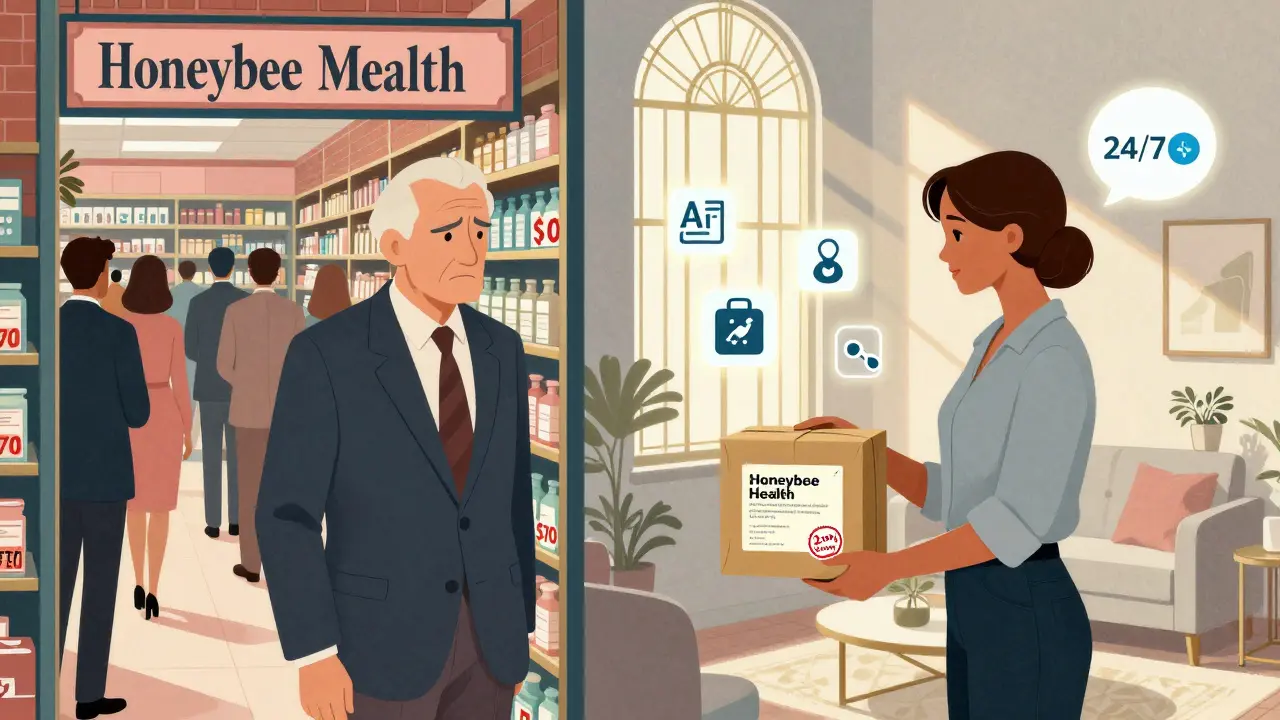
Platforms like Ro and Honeybee Health integrate with electronic health records (EHRs), use AI to flag potential drug interactions, and track your adherence patterns. If you haven’t refilled your antidepressant in 45 days? You’ll get a gentle text from a real pharmacist asking if you’re okay. That’s not marketing-it’s care.
Who’s Behind the Scenes-and Why It Matters
These aren’t just startups. They’re backed by serious infrastructure. Ro’s pharmacy partners are licensed in all 50 states and D.C. That’s not easy. Getting licensed in each state takes 14-18 months and costs over $2 million in legal and compliance fees. Most new players can’t afford it. That’s why only a handful of companies dominate the space.
And here’s the twist: even though these are called “generic pharmacies,” they’re not run by generic drug makers. They’re run by tech-first companies that partner with licensed distributors. The actual drugs? They’re the same ones you’d get at Walmart or Walgreens-just sourced directly from manufacturers without the PBM markup.
Big pharma is watching closely. Companies like Eli Lilly and Pfizer have launched their own DTC platforms, but they focus on their expensive brand-name drugs. The generic space? It’s still dominated by the Ro-style players. But that could change. If big pharma decides to cut out PBMs for generics too, the market could explode.
The Dark Side: Risks and Real Problems
It’s not all smooth sailing. Critics, including pharmacists and patient safety advocates, have real concerns.
First: pharmacist oversight. In a traditional pharmacy, a pharmacist reviews your entire medication list. They catch interactions you didn’t know about. A 2025 Drug Topics report documented 17 cases where DTC platforms missed potential drug interactions that a pharmacist at a local store would’ve flagged. That’s not common-but it’s enough to raise alarms.
Second: delivery delays. While most orders arrive in 2-4 days, some patients report 5-7 day waits, especially in rural areas. One Yelp reviewer in Ohio said they had to wait five days for their generic antidepressant-while their local Walgreens had it in stock the same day. For someone running out of meds, that’s not a minor inconvenience.
Third: insurance headaches. Most DTC platforms are cash-pay only. If you have insurance, you can’t use it. That’s fine if you’re on a high-deductible plan-but if you’re on Medicare or Medicaid, you’re locked out. And if you’re uninsured but qualify for subsidies? You might not even know how to apply.
And then there’s customer service. Trustpilot shows Honeybee Health at 3.8/5, with 42% of negative reviews citing slow responses. One Reddit user said, “I had a problem with my prescription and waited 72 hours for a reply. My anxiety got worse while I waited.”
Regulation: The Biggest Hurdle
As of January 2026, 47 states require specific licensing for DTC pharmacies. That’s a nightmare for startups. The National Association of Boards of Pharmacy (NABP) says compliance isn’t optional-it’s the cost of doing business. Platforms must meet HIPAA standards, FDA shipping rules, and state-specific dispensing laws.
And now the Department of Justice is looking into whether these companies are violating the Anti-Kickback Statute-by offering discounts that could be seen as inducements. No charges yet, but the investigation is ongoing. If regulators crack down, some smaller players could vanish overnight.
Big pharma’s DTC efforts are safer because they’re tied to their own branded drugs and have legal teams the size of small countries. But for pure-play generic platforms? They’re walking a tightrope.
Who Benefits the Most?
Not everyone wins equally.
People with high-deductible health plans are the biggest winners. They pay out-of-pocket anyway, so saving 40% on their meds is life-changing. Patients with chronic conditions-diabetes, hypertension, depression-are next. They take meds daily. Convenience and cost savings compound over time.
Younger, tech-savvy patients love it. But older adults? Many struggle with apps, don’t trust online pharmacies, or worry about privacy. A 2025 survey found only 18% of patients over 65 used a DTC pharmacy, compared to 41% of those under 40.
And then there’s the real winner: the patient data. DTC platforms collect real-time info on adherence, side effects, and usage patterns. That’s gold for drug developers. It’s the kind of data PBMs hoarded-but never shared. Now, manufacturers know exactly who’s taking their drugs, when they stop, and why. That’s changing how new drugs are designed and marketed.
What’s Next? The Hybrid Future
Don’t expect DTC pharmacies to replace your local CVS. That’s not the goal.
Galen Growth’s August 2025 survey found that 83% of pharmaceutical executives plan hybrid models-keeping traditional channels for insurance patients, while offering DTC for cash-pay users. It’s not an either/or. It’s both.
By 2027, you might see your local pharmacy partner with a DTC platform to offer discounted generics to uninsured patients. Or your insurer might start covering DTC orders as a cost-saving measure. The lines are blurring.
What’s clear? The old system-where PBMs pocketed $28 billion in rebates in 2024 while patients paid more-is collapsing. Patients are demanding transparency. Technology is making it possible. And the savings? They’re real.
How to Get Started (Safely)
If you’re thinking about trying a DTC generic pharmacy, here’s how to do it right:
- Start with a medication you take regularly-like metformin or levothyroxine.
- Compare prices on Ro, Honeybee Health, and Blink Health. Use GoodRx as a baseline.
- Check if they serve your state (all major ones do, but verify).
- Read reviews on Trustpilot and Reddit-not just the 5-star ones.
- Make sure they offer 24/7 pharmacist access.
- Don’t use it for complex meds (like blood thinners or epilepsy drugs) unless you’ve talked to your doctor.
- Keep your old pharmacy on file as a backup.
It’s not about abandoning your pharmacist. It’s about giving yourself a better option.
Are DTC generic pharmacies safe?
Yes-if you use a reputable platform. Companies like Ro, Hims & Hers, and Honeybee Health are licensed in all 50 states, use FDA-compliant shipping, and employ licensed pharmacists to review prescriptions. Their drugs are the same as those in retail pharmacies. The risk isn’t the medication-it’s skipping pharmacist consultation for complex drug regimens. Stick to common generics and avoid using these services for high-risk medications without medical oversight.
Can I use insurance with DTC pharmacies?
Generally, no. Most DTC generic pharmacies operate on a cash-pay model. This is intentional-it lets them bypass PBM markups and offer lower prices. If you have insurance, you’ll typically pay more through your plan than paying out-of-pocket on these platforms. However, some newer models are testing insurance integration. Always check before signing up.
How fast do DTC pharmacies deliver?
Most deliver within 2-4 business days. Some offer 1-day delivery in major metro areas for an extra fee. Delivery times can be slower in rural areas or during peak seasons. If you’re running low on medication, keep a small backup supply or use your local pharmacy as a stopgap.
Do DTC pharmacies offer the same drugs as my local pharmacy?
They offer the same generic medications, but usually only a focused selection-typically 50-100 of the most commonly prescribed generics. You won’t find niche or specialty drugs. If you take a less common medication, you’ll still need a traditional pharmacy. Most platforms list their available drugs on their website.
Why are DTC generic prices so much lower?
Because they cut out the middlemen. Traditional pricing includes markups from wholesalers, PBMs, and retail pharmacies. PBMs alone took $28 billion in gross profit in 2024. DTC pharmacies buy directly from manufacturers and pass the savings to you. The drug hasn’t changed-just the path it takes to get to you.
Are these services legal?
Yes, as long as they’re properly licensed. All major DTC generic pharmacies are state-licensed and comply with federal regulations like HIPAA and FDA shipping rules. However, the legal landscape is evolving. The Department of Justice is investigating whether some discount structures violate anti-kickback laws. So far, no major penalties have been issued, but compliance is under scrutiny.
Jake Nunez
January 10, 2026 AT 14:07Christine Milne
January 12, 2026 AT 00:06Bradford Beardall
January 13, 2026 AT 04:49McCarthy Halverson
January 14, 2026 AT 05:12Michael Marchio
January 16, 2026 AT 05:11Jake Kelly
January 17, 2026 AT 17:51Ashlee Montgomery
January 17, 2026 AT 20:49neeraj maor
January 19, 2026 AT 09:01Jake Nunez
January 20, 2026 AT 15:52