
| Strategy | Action Step | Who is Responsible? |
|---|---|---|
| Centralized Records | Use one single pharmacy for all prescriptions | Patient |
| Medication List | Keep a current list of all meds, supplements, and OTCs | Patient & Caregiver |
| Reconciliation | Compare current meds with new orders at every visit | Doctor & Pharmacist |
| Prescription Clarity | Ask doctors to include the "indication" (reason) for the drug | Prescribing Physician |
The Hidden Danger of Therapeutic Duplication
When we talk about therapeutic duplication is the act of taking two or more medications from the same pharmacological class or those that have the same therapeutic effect , we're talking about a serious safety risk. For seniors managing chronic conditions, this often happens during "care transitions." This is the gap that occurs when you move from your primary care doctor to a specialist, like an endocrinologist or a cardiologist. Since these providers might use different electronic systems, they may not see the prescription the other just wrote.
The results can be scary. For instance, if a cardiologist prescribes a beta-blocker without knowing your primary doctor already has you on one, you could experience dangerously low blood pressure. According to data from the Agency for Healthcare Research and Quality, these errors can lead to adverse drug events-essentially patient injuries caused by the medication itself rather than the disease it's meant to treat. The more medications you take, the higher the risk, which is why those of us dealing with polypharmacy (taking five or more drugs) need to be extra vigilant.
How to Build Your Own Medication Safety Net
You don't have to be a medical professional to protect yourself from these errors. The most effective way to stop duplications is to take ownership of your medication list. Don't rely on the doctor's computer to be updated. Instead, create a comprehensive list that includes every single thing you swallow-prescription drugs, over-the-counter painkillers, vitamins, and even herbal supplements. Some people find it easiest to take a photo of their pill bottles with a smartphone or keep a physical folder of their packaging to bring to every appointment.
Another pro tip is to stick with one pharmacy. When you split your prescriptions between a grocery store pharmacy and a big chain, neither pharmacist has a complete view of your medication profile. If you use a single pharmacy, their computer systems act as a first line of defense. Most modern pharmacies use clinical decision support tools that flag when a patient is prescribed two drugs from the same class. While these alerts aren't perfect-pharmacists sometimes override them due to time constraints-your odds of catching a mistake are much higher when all your records are in one place.
Mastering the Art of Medication Reconciliation
In the medical world, there's a process called medication reconciliation is the formal process of creating the most accurate list possible of all medications a patient is taking and comparing it against new orders to prevent errors ]. You can trigger this process yourself by being an active participant in your care. At the end of a specialist visit, before you leave the room, ask your doctor: "Does this new medication overlap with anything else I'm taking?"
To make this even more effective, ask your doctor to include the indication on the prescription. The indication is simply the reason why you're taking the drug (e.g., "for high blood pressure" instead of just the drug name). This is a game-changer for pharmacists. If they see two different drugs both labeled "for hypertension," they'll immediately know there's a problem and will likely call the doctor to clarify. Without that note, they might assume the two drugs are treating different conditions.
Practical Steps for Caregivers and Family Members
If you're helping a parent or spouse manage their meds, you are the most important link in the safety chain. One of the best tools you can use is the "teach-back" method. After the doctor explains a new medication, ask your loved one to explain it back to you in their own words. If they can't clearly state why they are taking the new drug and how it differs from their old ones, it's a sign that the instructions weren't clear and a duplication might be occurring.
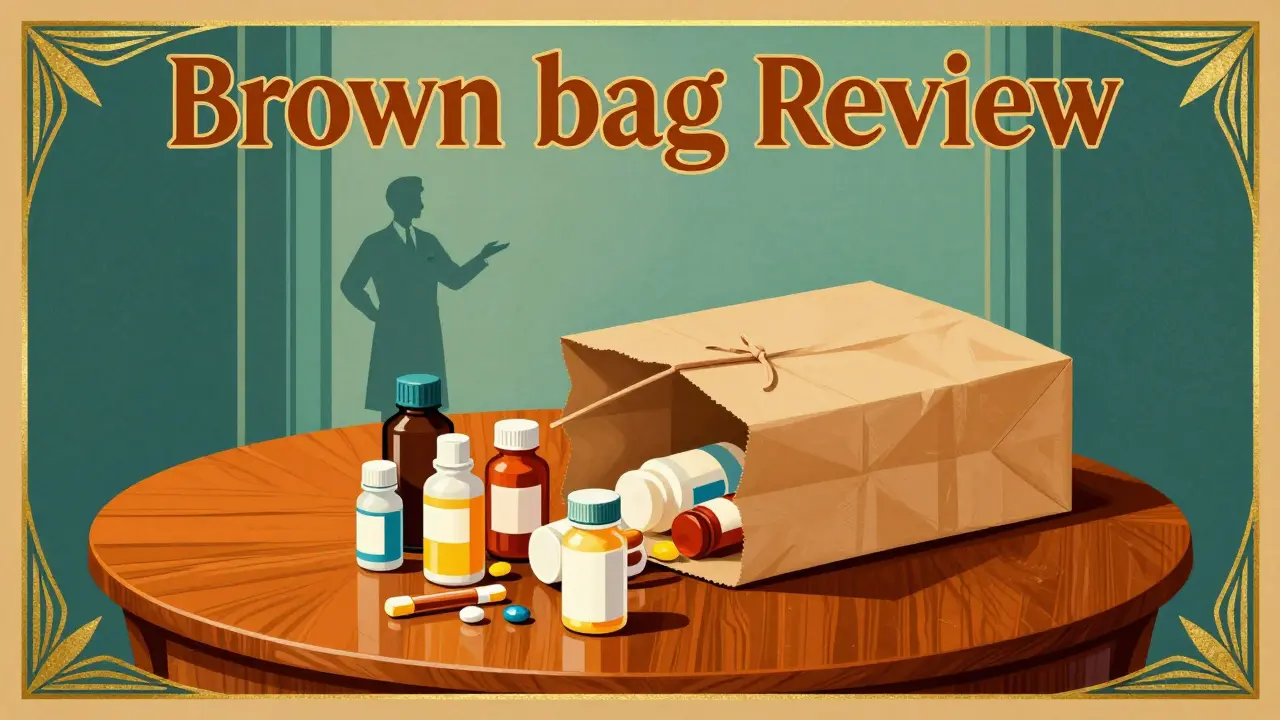
Encourage a "brown bag review." Every few months, put every single bottle-opened or unopened-into a bag and take them to the primary care physician. This allows the doctor to physically see what is being taken, rather than relying on a written list that might be out of date. This physical check is often where the most glaring duplications are discovered, such as an old prescription for a drug the patient forgot they were still taking.
The Role of Modern Technology in Safety
We're seeing some exciting shifts in how this is handled. Some major health systems, like Kaiser Permanente, have integrated electronic health records that make duplication alerts mandatory. Even more advanced, places like the Mayo Clinic are piloting AI-powered tools that can analyze a patient's entire encounter history to find errors that humans might miss. These AI systems have shown the ability to more than double the detection rate of duplicate orders.
While you might not have an AI assistant, you can use simple tech to your advantage. There are now smartphone apps specifically designed for medication reconciliation. These let you photograph labels and keep a digital record that you can email to a new specialist before you even step foot in their office. By providing the data upfront, you remove the guesswork for the physician.
What is the difference between a duplicate medication and a therapeutic duplication?
A duplicate medication is when you take the exact same drug twice (e.g., two different brands of the same generic). A therapeutic duplication is broader; it's when you take two different drugs that belong to the same class or do the same thing in the body, such as taking two different types of beta-blockers. Both can lead to dangerous overdosing.
Why doesn't my doctor's computer automatically catch these mistakes?
The biggest issue is "siloed" data. If your cardiologist uses one software system and your primary doctor uses another, those systems don't always talk to each other. While some networks are integrated, many independent practices still rely on faxing or manual entry, creating gaps where duplications can slip through.
Can over-the-counter (OTC) vitamins cause therapeutic duplication?
Yes. For example, some OTC supplements contain ingredients that act as blood thinners. If you are already taking a prescription anticoagulant (like warfarin), adding a high-dose garlic or ginkgo supplement could essentially create a therapeutic duplication of blood-thinning effects, increasing your risk of internal bleeding.
What should I do if I suspect I'm taking a duplicate medication?
Do not stop taking your medication abruptly, as this can be dangerous for many conditions. Instead, immediately call your pharmacist. They have the tools to check your history quickly. Once they confirm a potential duplication, they can contact your prescribing doctors to coordinate which medication should be discontinued.
How often should I perform a full medication review?
At a minimum, you should do a full reconciliation every time you see a new specialist or change a dose. However, a comprehensive "brown bag" review with your primary care provider every six months is recommended for seniors to ensure no unnecessary drugs have crept into the routine.
Next Steps for Your Safety
If you're feeling overwhelmed by the number of pills you're taking, start with one simple action today: call your pharmacy and ask if they have a complete, up-to-date list of everything you've filled there in the last year. Print that list out and put it in your wallet. Next time you visit a specialist, hand them that piece of paper before they even reach for the prescription pad. It's the fastest way to ensure you're getting the right care without the dangerous extras.
Nathan Kreider
April 7, 2026 AT 03:24This is such a helpful way to look at it! Just taking a few minutes to organize a list can really save someone's life.
Grace Lottering
April 7, 2026 AT 18:45Big Pharma loves this. More pills, more money. They don't want coordination.
Darius Prorok
April 9, 2026 AT 07:00Actually, most pharmacists already do this automatically with their software, but people still forget to tell them about the herbal stuff they buy at the health store.
dwight koyner
April 10, 2026 AT 02:47From a professional standpoint, the brown bag review is truly the gold standard for patient safety. It is far more reliable than a self-reported list because patients often forget the names of medications they take infrequently or supplements they consider "natural" and therefore harmless. In my experience, we frequently find outdated prescriptions that the patient is still taking out of habit despite the drug being discontinued months prior. I highly recommend that anyone caring for an elderly relative implements this practice every quarter. It creates a physical audit trail that removes the ambiguity of electronic records. Furthermore, it allows the clinician to check for expiration dates on the medications, which is another overlooked safety risk. The visual confirmation of the dosage and the actual pill appearance helps prevent confusion between similar-looking medications. It is a simple, low-tech solution that addresses a high-tech failure in our current fragmented healthcare system. I cannot stress enough how much of a difference this makes in clinical outcomes.
Jitesh Mohun
April 12, 2026 AT 02:36stop trusting the systems and just take charge of your own health man the doctors dont have time to talk so you gotta be the one to scream if something looks wrong
Danielle Kelley
April 12, 2026 AT 09:33The "AI-powered tools" are just another way for them to track our biometric data and feed it into a central database for social scoring! Don't let them "analyze" your history without knowing where that data is actually going!
Windy Phillips
April 12, 2026 AT 11:49It is truly tragic that we have reached a point where patients must be their own secretaries... simply because the medical establishment is too incompetent to share a basic PDF... imagine the chaos if we actually cared about holistic wellness!!!
Jay Vernon
April 12, 2026 AT 21:11Using one pharmacy is a great tip! 👍 My family does that and it makes everything so much easier. 💊😊
Brady Davis
April 14, 2026 AT 03:38Oh sure, because doctors are just famous for their amazing communication skills and definitely aren't just scribbling things on a pad while looking at the door.
Stephen Luce
April 15, 2026 AT 13:54I feel you on the stress of this. It's honestly terrifying how a simple mistake can happen just because two computers aren't talking.
Timothy Burroughs
April 15, 2026 AT 21:21this is why we need a real system in this country not some fragmented mess where you gotta carry a bag of pills like a crazy person just to stay alive
Dhriti Chhabra
April 16, 2026 AT 09:51It would be most beneficial if healthcare providers adopted a more universal standard for record sharing to ensure patient safety is prioritized above all else.
Ruth Swansburg
April 16, 2026 AT 23:15Take action now! Keep that list ready! You've got this!
Michael Flückiger
April 18, 2026 AT 16:07This is so awesome!!! Everyone should definitely try the photo method... it's just so simple and effective!!!
shelley wales
April 18, 2026 AT 21:07I'm so glad this information is out there. It's okay to feel overwhelmed by the process, but we can all help each other stay safe by sharing these tips.