
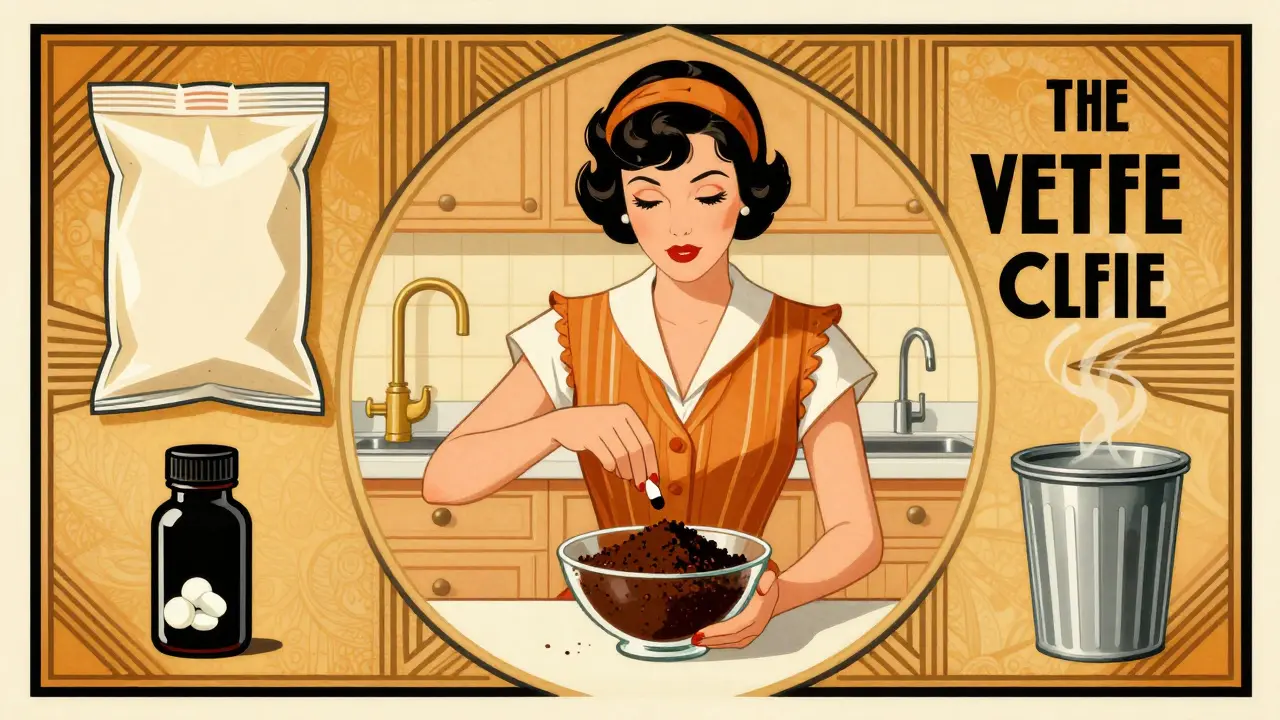
Keeping expired medications in your medicine cabinet isn’t just messy-it’s dangerous. Every year, thousands of children accidentally swallow pills they find at home. Others misuse leftover painkillers or antidepressants. And every time you flush a pill down the toilet or toss it in the trash without proper steps, you’re adding to the slow poisoning of our rivers and soil. The good news? You don’t need a special trip or expensive kit to do this right. With just a few household items and five simple steps, you can safely dispose of expired meds at home-even if you live in a small town with no nearby drop-off point.
Why You Can’t Just Throw Medications in the Trash
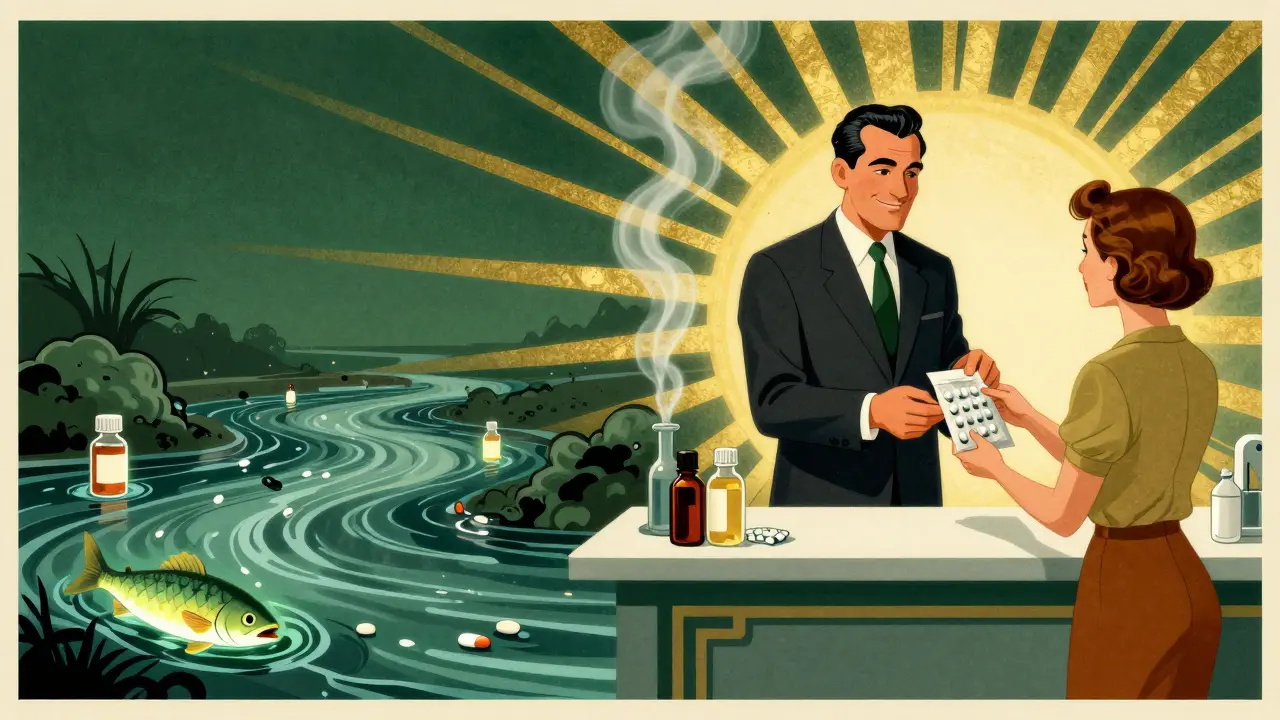
Many people think tossing pills in the bin is fine. It’s not. When medications sit in landfills, rainwater can wash them into groundwater. Studies show that 80% of U.S. streams contain traces of drugs like ibuprofen, antibiotics, and antidepressants. These don’t break down easily. Fish show signs of hormonal disruption. Microorganisms in soil change. And yes-these chemicals can eventually end up in your drinking water, even if it’s treated. There’s also the risk of theft. Someone going through your trash could find your prescription bottle, see your name, dosage, and condition, and use it. The DEA reports that 23% of diverted opioid prescriptions come from improperly discarded meds. That’s not a small number. It’s a preventable public health issue.What You Should Do First: Check the FDA Flush List
Before you start mixing pills with coffee grounds, check if your medication is on the FDA’s flush list. This list includes only 15 high-risk drugs that are so dangerous if misused-like fentanyl patches or oxycodone-that flushing is the safest option. Why? Because these can kill someone with just one pill, and flushing ensures immediate destruction. If your medication is on this list, flush it down the toilet right away. Don’t wait. Don’t mix it. Don’t store it. The FDA says this is the only acceptable way to dispose of these specific drugs at home. You can find the full list on the FDA’s website, but common ones include:- Fentanyl patches
- Oxycodone (OxyContin, Percocet)
- Hydromorphone (Dilaudid)
- Tapentadol (Nucynta)
- Morphine sulfate (MS Contin)
The Five-Step Home Disposal Method (FDA & EPA Approved)
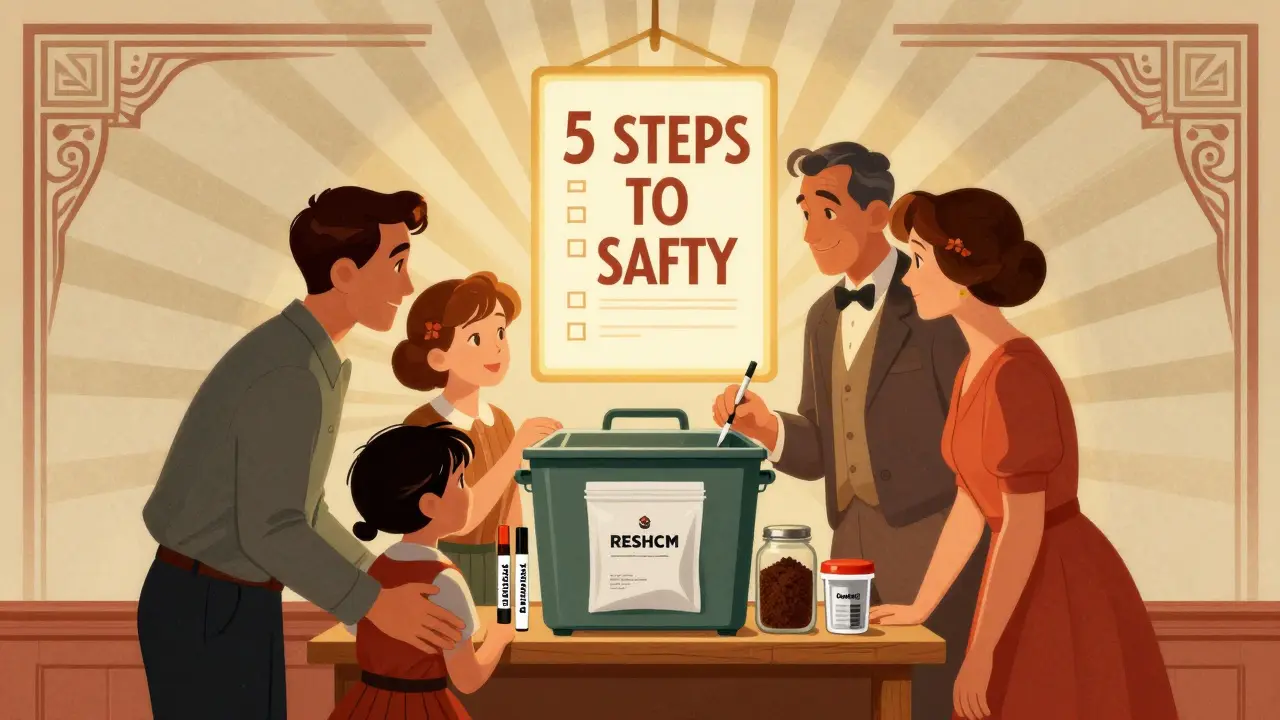
For everything else, the FDA and EPA agree on a simple, proven five-step process. It takes less than 10 minutes per bottle and uses things you already have.- Remove pills from the original bottle. Don’t just pour them out. Take them out one by one. This prevents someone from finding the bottle later and seeing your name, dosage, or condition.
- Mix them with something unappealing. Use a 1:1 ratio-about one cup (240ml) of used coffee grounds, cat litter, or dirt per standard prescription bottle (usually 15-30ml of pills). Coffee grounds work best because they’re dark, gritty, and smell strong. Cat litter clumps and hides the pills completely. Dirt is fine if you’re in a rural area with no other option.
- Put the mixture in a sealed container. Use a resealable plastic bag (at least 2-mil thick) or an empty margarine tub. Seal it tight. You don’t want liquid leaking out or someone digging through your trash and finding recognizable pills.
- Hide your personal info. Take the original bottle and cover every word on the label with a permanent marker. Name, pharmacy, date, dosage-black it all out. Then throw the empty bottle in the recycling. No one should be able to tell whose meds these were.
- Put it in the trash. Place the sealed container in your regular household bin. Do not put it in recycling. Do not burn it. Do not bury it. Just let it go with the rest of your waste on collection day.
Special Cases: Liquids, Inhalers, and Needles
Not all meds are pills. Here’s how to handle the rest:- Liquid medications (syrups, eye drops): Pour them into a sealable bag with coffee grounds or cat litter. Add a little water to help mix, then seal tightly. The goal is to turn the liquid into a solid sludge. Don’t pour them down the sink.
- Inhalers (asthma pumps): Never crush or burn them. They’re pressurized and can explode in trash compactors. Take them to a pharmacy that accepts hazardous waste, or check with your local council for special collection days. Some pharmacies like Boots offer free disposal for inhalers.
- Needles and syringes: Never put loose needles in the trash. Use a rigid plastic container like a detergent bottle with a screw-top lid. Fill it only halfway, seal it tightly, label it “SHARPS,” and take it to your local pharmacy or hospital. Most UK pharmacies will accept sharps containers for free.
- Insulin pens and vials: These are temperature-sensitive and can leak. Place them in a sealed plastic bag with absorbent material (paper towels or cat litter), then follow the regular home disposal steps. If you’re unsure, call your GP or pharmacist.
What About Drug Take-Back Programs?
If you can get to a take-back location, that’s the best option. The DEA runs National Prescription Drug Take Back Day twice a year-in April and October. Many pharmacies, hospitals, and police stations also have year-round drop boxes. In the UK, you can return expired meds to any pharmacy for free. You don’t need a prescription or receipt. Just hand them over. Pharmacists collect them and send them to licensed incinerators that destroy them completely. No chemicals enter the environment. No one can steal them. It’s the cleanest method. But if you live far from a pharmacy, or it’s after hours, or you need to dispose of something right now-home disposal is your backup plan. It’s not ideal, but it’s better than keeping them or flushing them improperly.Common Mistakes People Make
Even when people try to do the right thing, they mess up. Here are the top errors:- Using too little coffee grounds. If the pills are still visible, someone might fish them out. Use at least one full cup per bottle.
- Forgetting to remove personal info. Labels are easy to overlook. Always black them out before recycling the bottle.
- Putting meds in recycling. Medications contaminate paper and plastic streams. Never put them in the blue bin.
- Flushing non-listed drugs. This pollutes water. Only flush if it’s on the FDA’s approved list.
- Keeping old meds “just in case.” That’s how misuse starts. If you haven’t used it in 6 months, it’s likely expired or no longer needed.
What to Keep in Your Disposal Kit
You don’t need much, but keeping a small kit ready saves time and reduces mistakes:- A roll of permanent markers
- A few resealable plastic bags (2-mil or thicker)
- A small container of used coffee grounds (keep them in a jar in the cupboard)
- An old detergent bottle for sharps
What Happens After You Dispose of It?
When you drop off meds at a pharmacy or take-back site, they’re collected and sent to licensed incinerators. These burn the drugs at over 1,000°C, turning them into harmless ash and gas. Nothing leaks. Nothing is reused. Nothing goes into landfills or water. Home disposal doesn’t achieve this level of safety. But it does make misuse nearly impossible and reduces environmental harm by 80% compared to throwing pills in the trash untouched.When in Doubt, Call Someone
If you’re unsure about a medication-especially if it’s controlled, liquid, or for a child-call your pharmacist. They know what’s safe and what’s not. In the UK, you can also call NHS 111 or your local poison control line. They’ll tell you exactly what to do. Don’t guess. Don’t assume. Don’t wait.Can I flush expired medications down the toilet?
Only if the medication is on the FDA’s flush list-which includes only 15 high-risk drugs like fentanyl patches and oxycodone. For all other medications, flushing pollutes water supplies. Never flush antibiotics, antidepressants, or painkillers unless they’re specifically listed. When in doubt, use the coffee grounds method instead.
Can I throw pills in the recycling bin?
No. Medications can contaminate recyclable materials like paper and plastic. Even empty pill bottles should be cleaned and recycled only after you’ve removed the label and blacked out all personal information. The pills themselves must go in the trash-mixed with coffee grounds or cat litter.
What if I live in a rural area with no nearby pharmacy?
Home disposal using the FDA/EPA method is your best option. Mix pills with coffee grounds or cat litter, seal them in a plastic bag, black out the label, and put them in your regular trash. Many rural households rely on this method. You can also check with your local council or police station-they sometimes host collection events twice a year.
Are there any free disposal services in the UK?
Yes. Every pharmacy in the UK accepts expired or unwanted medications for free. You don’t need to be a customer. Just walk in with your pills and hand them to the pharmacist. They’ll dispose of them safely through licensed incineration. This is the safest and most environmentally friendly method available.
How long do medications last after their expiration date?
Most medications lose potency after their expiration date, but some, like antibiotics or insulin, can become unsafe. The expiration date is the last day the manufacturer guarantees effectiveness and safety. Don’t risk taking expired drugs-even if they look fine. If you’re not using them, dispose of them properly. It’s better to replace them than to use something that might not work-or worse, harm you.
Linda O'neil
January 26, 2026 AT 17:54Also, coffee grounds work better than cat litter-less smell, same results.
James Dwyer
January 28, 2026 AT 10:35Mel MJPS
January 29, 2026 AT 01:04Also, I keep an old peanut butter jar for coffee grounds now. Perfect size.
Rhiannon Bosse
January 30, 2026 AT 20:30And don’t get me started on the ‘coffee grounds’ trick. That’s just a Band-Aid. The real solution is banning all prescription meds unless you’re dying. The system is rigged. They want you to think you’re doing good by mixing pills with your morning brew while they keep dumping chemicals into rivers from their factories.
Also, why do they never mention that 90% of the ‘flush list’ drugs are made by one company? Coincidence? I think not.
Lance Long
January 31, 2026 AT 02:12And yes, I used cat litter. It’s what we had. It worked. I cried a little. But I felt peace.
Lexi Karuzis
February 1, 2026 AT 15:16Also, why do they make these instructions so complicated? It’s like they’re trying to discourage people from doing it right. I bet the pharmaceutical companies are behind this. They want us to keep buying new pills every month. It’s a scam!
Brittany Fiddes
February 3, 2026 AT 13:07Also, ‘coffee grounds’? That’s a last-resort American workaround. We don’t do band-aid solutions here. We have systems. Proper ones. With incinerators. And yes, we do it right. Because we’re British.
Amber Daugs
February 4, 2026 AT 01:06Also, if you’re using cat litter, please at least use the unscented kind. Scented litter is just another chemical cocktail you’re adding to the landfill. You’re not helping. You’re just being dramatic.
Robert Cardoso
February 5, 2026 AT 02:54Also, the FDA flush list is a joke. It includes fentanyl patches but not benzodiazepines? That’s not science. That’s politics. They’re protecting Big Pharma’s bottom line by keeping the most profitable drugs off the list.
And don’t get me started on the ‘recycling’ myth. You think they’re actually recycling those bottles? Nah. They get shipped to Malaysia and dumped. But sure, keep blacking out labels. That’ll fix capitalism.
Bryan Fracchia
February 6, 2026 AT 14:55Maybe the real question isn’t how to dispose of pills-but why we’re being given so many in the first place. I’m not saying don’t use them. I’m saying let’s question why we’re drowning in them.
That said-this guide? Solid. I’m printing it and putting it next to my medicine cabinet. Thank you.
fiona vaz
February 7, 2026 AT 00:06Sue Latham
February 7, 2026 AT 14:02Also, I use ground flaxseed instead of coffee. It’s organic. And it smells better. Just saying.
John Rose
February 9, 2026 AT 12:15Additionally, the mention of ‘cat litter’ may be misleading to urban dwellers without pets. Consider specifying ‘non-clumping clay-based absorbent’ for broader applicability.