

You take your morning pill, and for the first time in months, you feel different. Maybe it’s a slight headache, maybe your blood pressure readings are erratic, or perhaps just a nagging sense that the medicine isn’t working like it used to. You suspect the pharmacy recently swapped your brand-name medication for a generic version. It happens more often than you think. While generics are safe for most people, they aren't identical twins to their branded counterparts. If you’re considering switching back, you need a strategy. Doing it wrong can lead to insurance denials, empty pockets, or worse-interrupted treatment.
Switching back from a generic to a brand isn’t just about preference; it’s a medical decision that requires specific documentation and persistence. This guide walks you through exactly how to make that switch safely, navigate the bureaucratic maze of insurance approvals, and ensure your health remains stable during the transition.
Why You Might Need to Switch Back
First, let’s clear up a common misconception. The FDA requires generic drugs to contain the same active ingredient as the brand-name drug. However, they do not require the inactive ingredients-the fillers, binders, dyes, and coatings-to be the same. For 99% of patients, this doesn’t matter. But for some, these "inactive" components are anything but.
Consider three main scenarios where switching back is medically justified:
- Allergic Reactions or Sensitivities: You might be reacting to a specific dye (like tartrazine) or a filler (like lactose) present in the generic but absent in the brand. A rash, stomach upset, or mild swelling could signal this.
- Narrow Therapeutic Index (NTI) Drugs: These are medications where a tiny change in blood concentration can cause toxicity or treatment failure. Examples include warfarin (blood thinner), levothyroxine (thyroid hormone), and certain anti-seizure meds like phenytoin. The FDA allows a wider margin of error for generic bioequivalence (80-125%), which is acceptable for most drugs but risky for NTIs.
- Perceived Efficacy Loss: Sometimes, despite meeting legal standards, a patient simply feels the generic doesn’t work as well. While this can be psychological (the nocebo effect), it can also be real due to subtle differences in absorption rates.
- Document the Problem: Keep a log for at least two weeks. Note any side effects, missed doses, or changes in lab results (like INR levels for warfarin or TSH for thyroid). Vague complaints like "it doesn’t feel right" rarely win approval. Specific data does.
- Consult Your Physician: Schedule an appointment specifically to discuss the switch. Bring your logs. Your doctor needs to determine if the issue is clinical (NTI drug instability) or allergic (reaction to fillers).
- Request the 'Dispense as Written' Code: Ask your doctor to write "DAW-1" or "Brand Medically Necessary" on the prescription. This tells the pharmacist they cannot substitute a generic. Without this code, the pharmacy system will automatically default to the cheaper generic.
- Prepare for Prior Authorization (PA): Your doctor’s office will likely have to submit a PA form to your insurance. This form must explain why the generic failed. Common successful reasons include "therapeutic failure" or "adverse reaction to inactive ingredient."
- Follow Up Aggressively: PAs can take days or weeks. Call your doctor’s office to ensure the paperwork was sent. Call your insurance company to check status. Do not run out of medication waiting for approval.
- Weak: "Patient feels better on brand Synthroid."
- Strong: "Patient experienced elevated TSH levels and fatigue on generic levothyroxine despite dose adjustments. History of sensitivity to corn starch filler found in generic formulation. Requesting brand Synthroid for stability."
- Patient Assistance Programs: Many brand manufacturers offer coupons or assistance programs that lower the cost significantly. Visit the manufacturer’s website and look for "Savings Card" or "Patient Support."
- Pay Out-of-Pocket: Calculate the true cost. If the brand is $400 and the generic is $10, but the generic makes you sick, the math might still favor the brand. Use discount cards like GoodRx to find the lowest cash price at local pharmacies.
- Try a Different Generic Manufacturer: Not all generics are made by the same company. One generic might use lactose, another might use mannitol. Ask your pharmacist to try a different generic manufacturer before giving up on generics entirely.
If you fall into one of these categories, switching back isn’t just a luxury-it’s a safety measure.
The Cost Reality Check
Before you start the process, you need to face the financial elephant in the room. Brand-name drugs cost significantly more. In the US, brand-name cardiovascular medications average over $450 per month, while their generic counterparts hover around $112. That’s a four-to-five times difference.
Insurance companies hate paying that premium. They want you on the cheapest effective option. So, when you ask to switch back, you aren’t just asking your doctor for a new prescription; you are asking your insurer to break their own rules. Be prepared for pushback. According to recent data, nearly 70% of Medicare Part D plans require prior authorization for brand names when a generic exists. This means you won’t get the drug until a human reviews your case and says yes.
Step-by-Step: How to Execute the Switch
Don’t just walk into the pharmacy and demand the brand. Pharmacists are bound by law and policy to dispense generics unless told otherwise. Here is the proven workflow to get this done correctly.
Navigating Insurance Denials and Appeals
Let’s say your insurance denies the request. This happens in nearly 60% of initial cases. Don’t panic. This is a standard hurdle, not a final verdict.
To appeal, you need stronger evidence. If your doctor initially wrote "patient prefers brand," the appeal will fail. Instead, use clinical language. For example:
If the first appeal fails, ask for a peer-to-peer review. This allows your doctor to speak directly with the insurance company’s medical director. Studies show that when proper clinical documentation is provided, appeals succeed in over 60% of cases.
Special Considerations for Narrow Therapeutic Index Drugs
If you are taking warfarin, lithium, cyclosporine, or anti-epileptics, treat this switch with extra caution. These drugs have a "narrow window" between being effective and being toxic.
Even within the same brand, manufacturing batches can vary slightly. When switching from generic to brand, your body’s chemistry will shift. Your doctor should order baseline blood tests before the switch and follow-up tests 7-10 days after. For warfarin users, this means checking INR levels frequently. For thyroid patients, re-testing TSH may be necessary sooner than the usual six-week interval.
Never self-adjust your dose during this transition. Let the blood work guide the dosage changes.
What If Insurance Still Says No?
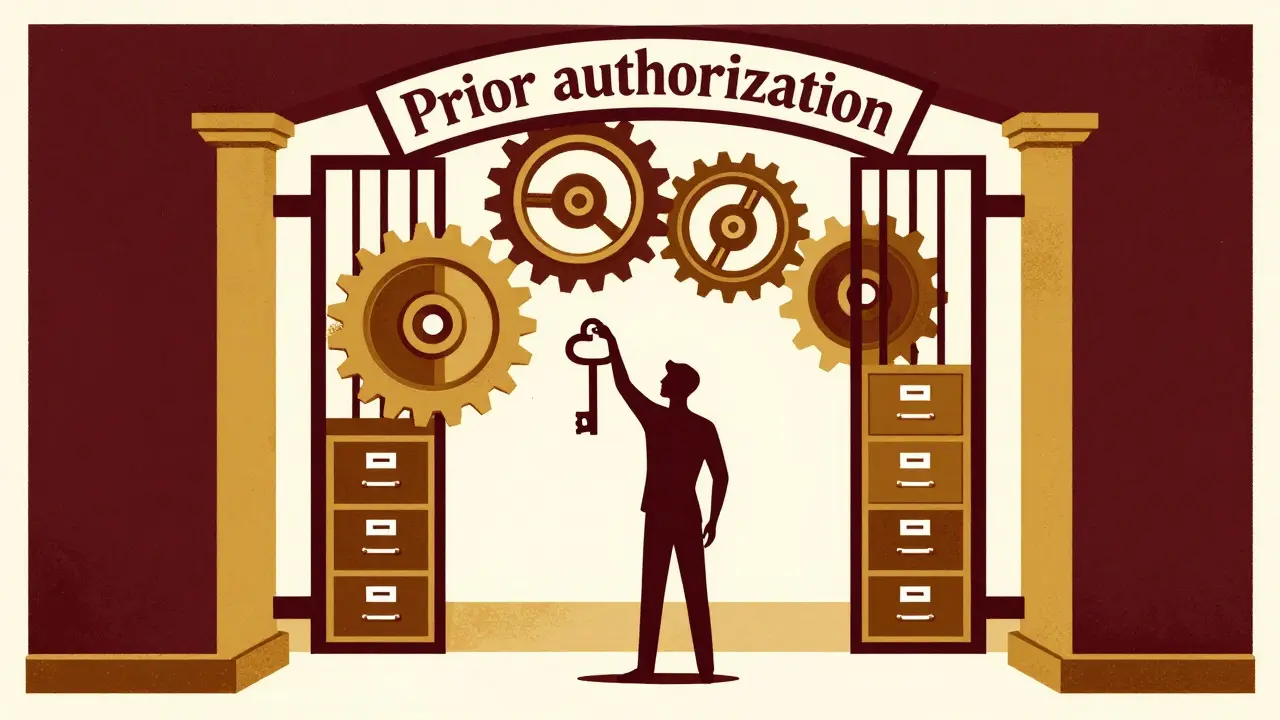
Sometimes, despite all efforts, insurance refuses to cover the brand. You have three options:
Summary Checklist for a Safe Switch
| Step | Action Item | Key Detail |
|---|---|---|
| 1 | Track Symptoms | Log side effects or lab changes for 2+ weeks. |
| 2 | Doctor Visit | Confirm medical necessity (allergy vs. efficacy). |
| 3 | Prescription Update | Ensure "DAW-1" or "Brand Medically Necessary" is written. |
| 4 | Prior Auth | Submit clinical justification to insurance. |
| 5 | Monitor Labs | Re-test blood levels 7-10 days post-switch for NTI drugs. |
Can I switch from generic to brand without telling my doctor?
Technically, you can ask the pharmacist, but it’s risky. Without a doctor’s note specifying "Brand Medically Necessary," your insurance may deny coverage, leaving you with a huge bill. Furthermore, for critical medications, your doctor needs to monitor your levels after the switch to ensure safety.
Are generics always less effective than brands?
No. For the vast majority of patients, generics are equally effective. The FDA ensures they deliver the same amount of active ingredient into your bloodstream within a strict timeframe. Issues usually arise only with sensitive individuals or narrow therapeutic index drugs.
How long does prior authorization take?
It varies by insurer, but typically takes 3 to 7 business days. Some plans now offer expedited reviews for urgent cases, potentially within 24-72 hours. Always call your insurer to check the status rather than waiting passively.
What is a Narrow Therapeutic Index (NTI) drug?
An NTI drug is one where small differences in dose or blood concentration can lead to serious treatment failures or adverse events. Examples include warfarin, levothyroxine, and phenytoin. Switching between generic and brand versions of these drugs requires careful medical supervision.
Will my insurance ever cover the brand name permanently?
Yes, if you successfully complete the prior authorization process with strong clinical justification, many insurers will grant a "waiver" that covers the brand name for the duration of your therapy, though they may require annual re-certification.