
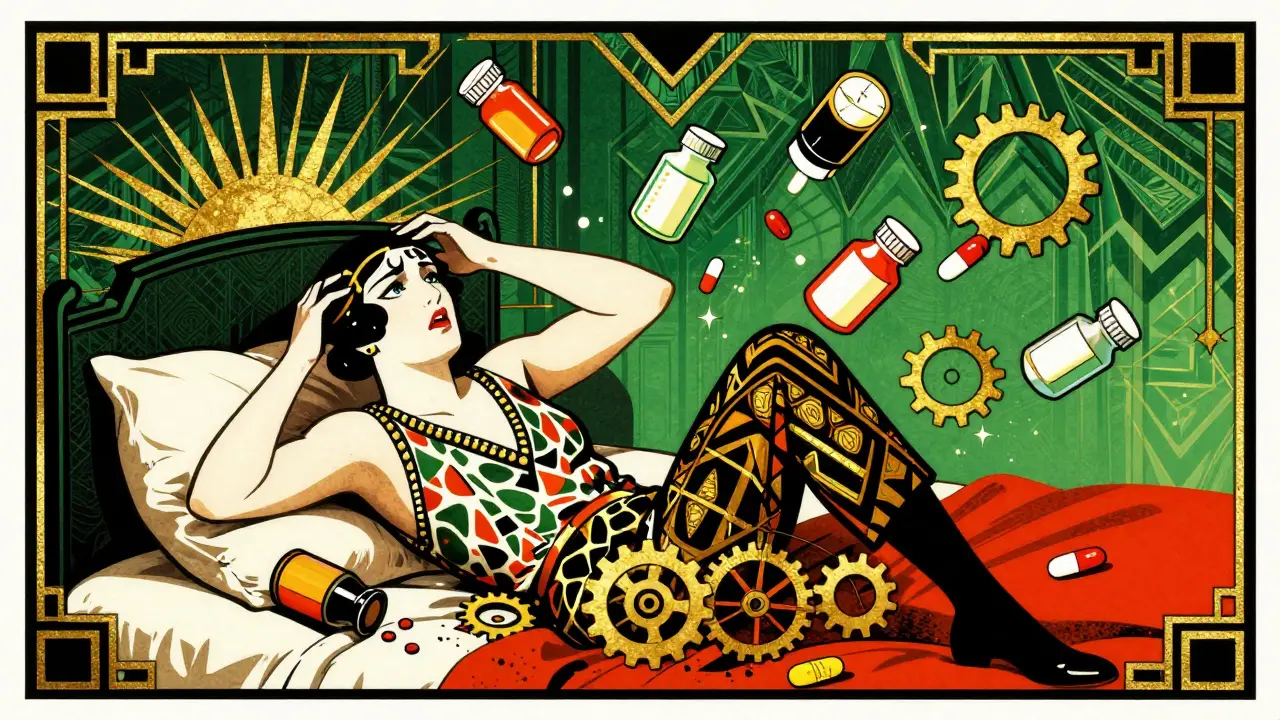
Missing a dose of medication feels like a small mistake until you realize it has happened three times this week. For millions of people managing chronic conditions, forgetting pills is not just an inconvenience-it is a major health risk. The World Health Organization estimates that medication non-adherence costs healthcare systems between $100 and $300 billion annually. That is money wasted on hospitalizations and treatments that could have been avoided with simple consistency.
Text message reminders offer a straightforward solution to this problem. They are cheap, accessible, and surprisingly effective when used correctly. But sending a generic "Take your pill" text every day is not enough. Recent large-scale studies show that without the right strategy, these reminders lose their impact over time. Here is how to set up a system that actually works.
The Science Behind SMS Reminders
Why do text messages work? It comes down to behavioral psychology and timing. A 2017 study published in JMIR mHealth found that text message reminders improved self-reported medication adherence by 14.2 percentage points compared to usual care. Over a 12-month period, patients receiving texts had a 94% average percentage of days covered, versus 80% for those who did not.
The key is personalization. Generic blasts get ignored. Personalized messages that include your name, specific medication names, and tailored advice produce significantly greater effects. A meta-analysis by Thakkar et al., cited in a 2021 NIH review, confirmed that customization is critical. If you are taking blood pressure medication, a reminder that says "Remember your Lisinopril after breakfast" is far more powerful than "Don't forget your meds."
However, there is a catch. A massive 2023 JAMA trial involving 9,501 patients across three US healthcare systems revealed mixed results. While short-term studies showed promise, the long-term follow-up indicated that simple reminders alone often fail to sustain benefits after six months. This phenomenon, known as "intervention decay," means you need a smarter approach than just setting a repeating alarm.
Setting Up Your Reminder System
You do not need expensive software to start. Most smartphones allow you to create recurring alarms or calendar events. However, dedicated apps and clinical systems offer more robust features. Here is how to structure your setup for maximum effectiveness:
- Identify Critical Times: Determine exactly when you take each medication. Is it morning, noon, and night? Or only once a day before bed? Consistency in timing helps build a habit loop.
- Choose the Right Platform: For individuals, apps like Medisafe or MyTherapy are popular because they send push notifications and track missed doses. For clinics, integration with Electronic Health Records (EHR) allows automated identification of refill gaps.
- Personalize the Content: Avoid vague language. Include the drug name and dosage if possible. Example: "Time for 10mg Metformin." This reduces cognitive load-you don't have to think about what to take, just that you need to take it.
- Set a Grace Period: Studies show optimal delivery is within 2 hours of medication time. If you miss the first alert, set a second one 30 minutes later. Do not spam yourself with hourly alerts, as this leads to "message fatigue" and causes users to turn off notifications entirely.
A 2021 NIH pilot study demonstrated that identifying patients with refill gaps using EHR data and delivering behavioral nudge messages achieved a 30.6% refill rate versus 18.0% in controls. While not statistically significant in that specific pilot, the trend highlights the power of targeted intervention.
Overcoming Common Pitfalls
Even the best systems face challenges. The most common issue is user dropout. In a 2021 survey cited in the NIH review, 23% of users discontinued reminder services after six months due to irrelevant timing or too frequent messages. To avoid this, regularly review your settings. If you change your routine, update your reminders immediately.
Another pitfall is assuming the reminder guarantees ingestion. Text messages confirm delivery, not consumption. You might see the alert and put it off, then forget again. To combat this, use two-way communication where possible. Some advanced systems allow you to reply "Taken" to log your dose. This creates accountability and provides valuable data for your healthcare provider.
Privacy is also a concern. Ensure any app or service you use complies with healthcare regulations like HIPAA in the US or GDPR in Europe. Look for platforms that explicitly state their data security measures. Never share sensitive medical information via standard SMS unless encrypted end-to-end.
| Condition | Study Outcome | Key Insight |
|---|---|---|
| HIV Treatment | Highly Effective | 73.5% of studies showed positive effects; critical for time-sensitive dosing. |
| Tuberculosis | Mixed Adherence | Did not reduce poor adherence via pill counts but reduced loss to follow-up by 58%. |
| Cardiovascular Disease | Variable Results | Short-term success; long-term JAMA study showed no sustained benefit without additional support. |
| Diabetes & Asthma | Positive Impact | Strong evidence for improved management and reduced exacerbations. |

Advanced Strategies for Long-Term Success
If basic reminders stop working, it is time to upgrade your strategy. The future of medication adherence lies in hybrid approaches. Instead of static texts, consider systems that adapt based on your behavior. Ongoing trials like the NIH-funded TEXTMEDS study are testing algorithms that adjust message frequency and tone based on patient response patterns.
Incorporate social support. Share your goals with a family member or friend who can check in. Some apps allow you to designate a "care partner" who receives alerts if you miss a dose. This adds a layer of human accountability that technology alone cannot provide.
Finally, integrate reminders with broader health habits. Link your medication schedule to existing routines, such as brushing your teeth or eating breakfast. This technique, called "habit stacking," reinforces the behavior without relying solely on external notifications. As Dr. Kevin Volpp noted in the 2023 JAMA study, intervention decay is real. To counter it, you must evolve from passive reminders to active engagement strategies.
Is It Worth It?
The global medication adherence market was valued at $3.2 billion in 2022, with text-based services comprising about 28% of digital solutions. Adoption varies by condition-67% of HIV programs in developed countries use text reminders, compared to 32% of cardiovascular programs. This gap reflects the varying complexity of adherence needs.
For most people, the answer is yes. The cost is low, and the potential health benefits are high. Even if you only improve your adherence from 80% to 90%, that 10% difference can mean the difference between stable health and a preventable hospital visit. Start simple, personalize your messages, and stay consistent. Your health depends on it.
Do text message reminders really improve medication adherence?
Yes, but with caveats. Short-term studies show significant improvements, with some reporting a 14-20% increase in adherence. However, long-term effectiveness depends on personalization and avoiding message fatigue. Generic reminders tend to lose impact after 3-6 months.
What is the best app for medication reminders?
Popular options include Medisafe, MyTherapy, and Round. These apps offer customizable alerts, refill tracking, and sharing capabilities with caregivers. Choose one that integrates well with your phone's notification system and offers easy logging of doses.
Are text message reminders secure and private?
Standard SMS is not encrypted. For better privacy, use dedicated health apps that comply with HIPAA (in the US) or GDPR (in Europe). Avoid sending sensitive medical details via regular text messages unless the platform uses end-to-end encryption.
Why do I ignore my medication reminders after a while?
This is called "message fatigue" or "intervention decay." When alerts become repetitive and irrelevant, your brain filters them out as noise. To fix this, vary the message content, adjust timing if your routine changes, and engage in two-way confirmation rather than passive receipt.
Can text reminders replace talking to my doctor?
No. Text reminders are a tool to support adherence, not a substitute for professional medical advice. If you consistently miss doses despite reminders, discuss underlying issues-such as side effects or cost-with your healthcare provider. They may adjust your regimen or provide additional resources.