

You grab a handful of black licorice after dinner. It tastes like childhood. But if you are taking medicine for high blood pressure, that sweet treat might be quietly working against your health plan. This isn't just about cutting out sugar. The active ingredient in real licorice root, called glycyrrhizin, is a compound found in Glycyrrhiza glabra that mimics the hormone aldosterone, causing sodium retention and potassium loss, creates a specific chemical reaction in your body. This reaction can make your blood pressure medications less effective or even dangerous.
Many people assume that because licorice comes from a plant, it is safe to eat in any amount alongside prescription drugs. That assumption is risky. Medical authorities have documented this interaction for decades. When you consume significant amounts of glycyrrhizin, your body holds onto salt and water while flushing out potassium. This directly opposes what most blood pressure pills try to do. Understanding exactly how this happens, which medicines are affected, and how much licorice is too much is essential for keeping your heart healthy.
How Licorice Changes Your Body's Chemistry
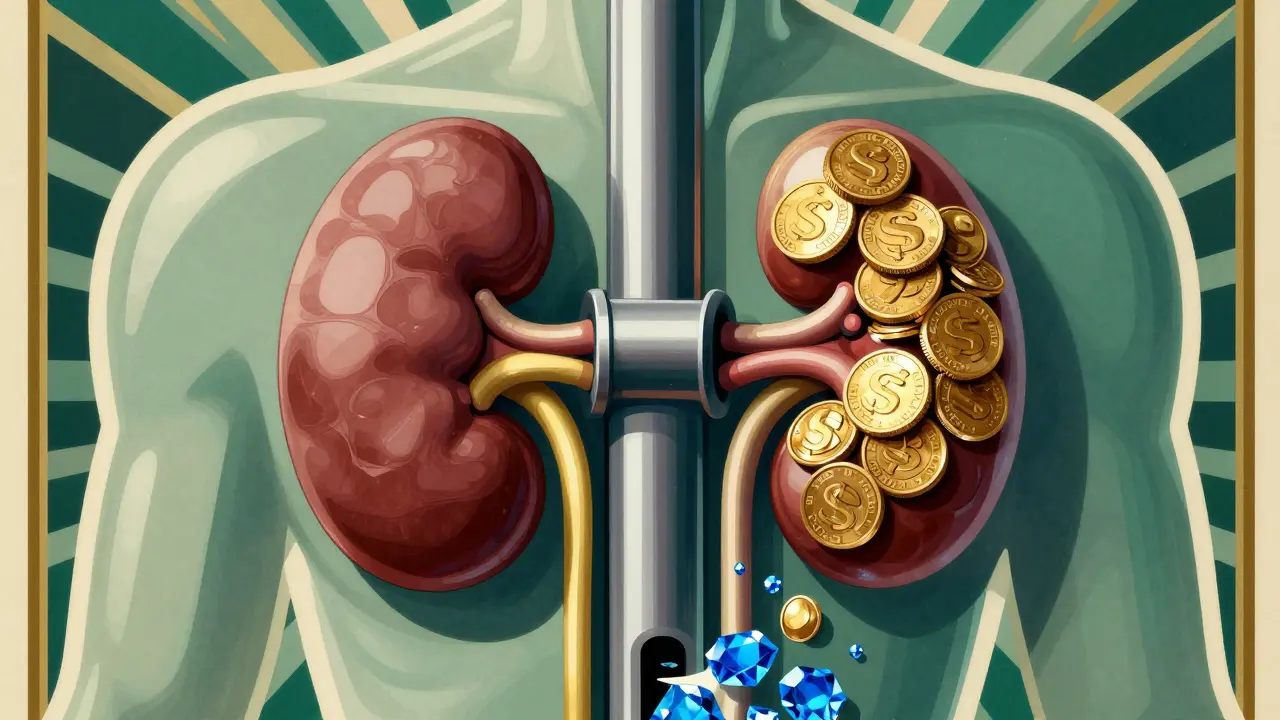
To understand why licorice interferes with your medication, we need to look at what happens inside your kidneys. Normally, your body uses an enzyme called 11β-hydroxysteroid dehydrogenase type 2 (often shortened to 11β-HSD2) to protect certain receptors in the kidney. These receptors are meant to respond to a hormone called aldosterone, which helps regulate blood pressure by controlling salt and water balance.
Glycyrrhizin blocks this protective enzyme. Without the enzyme working correctly, another hormone called cortisol starts binding to those same receptors. Cortisol acts like supercharged aldosterone. It tells your kidneys to keep sodium and release potassium. The result is a condition doctors call apparent mineralocorticoid excess. In simpler terms, your body behaves as if you have too much salt and not enough potassium, leading to higher blood pressure and fluid buildup.
This mechanism was first identified in medical literature in the 1950s. Since then, studies have confirmed that consuming more than 100 milligrams of glycyrrhizin per day can cause measurable changes. Research published in the Merck Manual Professional Edition notes that this level of consumption can increase systolic blood pressure by about 5.45 mmHg and diastolic pressure by roughly 3.19 mmHg. For someone trying to lower their numbers, gaining five points back is a significant setback.
Which Blood Pressure Medications Are Affected?
Licorice does not pick and choose which drugs it fights. Because its effect is physiological-changing how your body handles fluids and electrolytes-it impacts almost every class of antihypertensive medication. However, some combinations are riskier than others.
| Medication Class | Common Examples | Interaction Risk | Primary Concern |
|---|---|---|---|
| ACE Inhibitors | Captopril, Lisinopril | High | Reduces effectiveness; increases low potassium risk |
| Diuretics (Water Pills) | Hydrochlorothiazide, Furosemide | Very High | Severe potassium depletion; muscle weakness |
| Digoxin | Lanoxin | Critical | Potassium loss leads to digoxin toxicity and heart failure |
| Calcium Channel Blockers | Amlodipine, Nifedipine | Moderate | Blood pressure may rise despite medication |
The most dangerous interaction involves Digoxin (brand name Lanoxin), a medication often used for heart failure and irregular heartbeats. Digoxin works by affecting the movement of sodium and potassium in heart cells. Potassium normally competes with digoxin for binding sites on these cells. When licorice causes your potassium levels to drop, there is less potassium to compete. This allows digoxin to bind more strongly, potentially leading to toxic levels in your blood. A case report published in the journal Cardiology described an older man who developed congestive heart failure after using a herbal laxative containing licorice while on digoxin. His potassium levels dropped dangerously low, triggering the toxicity.
If you take diuretics like hydrochlorothiazide, the risk is also severe. These drugs already encourage your body to excrete potassium. Adding licorice accelerates this process. Low potassium, known as hypokalemia, can cause muscle cramps, fatigue, and abnormal heart rhythms. The MSD Manual Consumer Version explicitly warns that people with heart disease or those taking potassium-wasting diuretics should avoid licorice entirely.
How Much Is Too Much?
Not all "licorice" contains the problematic glycyrrhizin. Many modern candies, especially red varieties or those labeled as "black licorice flavor," use anise oil instead. Anise is safe regarding blood pressure interactions. The danger lies in products made from actual Glycyrrhiza glabra root extract.
Health agencies like Medsafe in New Zealand established a clear safety threshold in their December 2019 pharmaceutical bulletin. They advise limiting intake to no more than 100 mg of glycyrrhizin per day. To put that in perspective, 100 mg is roughly equivalent to eating 60 to 70 grams (about 2.1 to 2.5 ounces) of traditional black licorice candy daily. For many people, that sounds like a lot. But consider that herbal supplements, teas, and cough syrups often contain concentrated extracts. A single capsule of a licorice root supplement might contain far more than 100 mg of glycyrrhizin.
Sensitivity varies from person to person. Factors that increase your risk include:
- Age: Older adults metabolize compounds slower and are more sensitive to fluid shifts.
- Gender: Studies suggest females may be more susceptible to the blood pressure-raising effects of glycyrrhizin.
- Existing Conditions: If you already have hypertension, liver cirrhosis, or heart failure, your margin for error is smaller.
- Duration: Effects build up over time. Eating small amounts daily for weeks can lead to the same problems as a large binge one day.

Signs That Licorice Is Causing Problems
Often, patients don't realize licorice is the culprit until symptoms appear. If you are taking blood pressure medication and notice your readings creeping up despite sticking to your diet and exercise routine, check your snack drawer. Look for these warning signs:
- Unexplained Weight Gain: Rapid gain due to water retention.
- Muscle Weakness or Cramps: A classic sign of low potassium (hypokalemia).
- Fatigue and Lethargy: Feeling unusually tired or sluggish.
- Swelling: Edema in the legs, ankles, or hands.
- Irregular Heartbeat: Palpitations or skipped beats.
If you experience these symptoms, do not ignore them. Contact your healthcare provider. They may order blood tests to check your potassium levels and cortisol-to-cortisone ratio. A raised cortisol:cortisone ratio in peripheral venous plasma is a diagnostic marker for licorice-induced pseudoaldosteronism. Early detection prevents serious complications like heart failure or severe arrhythmias.
Practical Steps for Safe Management
You do not necessarily have to give up licorice forever, but you must manage it carefully. Here is a practical approach:
- Read Labels Carefully: Look for "glycyrrhizin," "glycyrrhizic acid," or "licorice root extract." If the ingredient list says "anise flavor" or "anise oil," it is likely safe from this specific interaction.
- Ask Your Pharmacist: Bring your medication list to your pharmacist. Ask specifically, "Does my medication interact with licorice root?" Pharmacists have access to detailed drug interaction databases that can flag potential issues.
- Monitor Your Blood Pressure: Keep a log of your home readings. If you indulge in licorice, check your pressure daily for a week afterward. Note any spikes.
- Avoid Supplements: Herbal supplements are highly concentrated. Unless your doctor approves them, avoid licorice root capsules, tinctures, or teas if you have hypertension.
- Stay Hydrated Wisely: While hydration is good, excessive fluid intake combined with licorice-induced sodium retention can worsen swelling. Follow your doctor's advice on fluid limits.
Remember, the goal is not fear, but awareness. Millions of people enjoy licorice without issue. But if you are managing chronic high blood pressure, your body is already under stress. Adding a substance that chemically counteracts your treatment adds unnecessary strain. By understanding the science behind glycyrrhizin and its effect on enzymes like 11β-HSD2, you can make informed choices that protect your heart.
Can I eat red licorice if I have high blood pressure?
Generally, yes. Most red licorice candies do not contain licorice root extract. Instead, they are flavored with cherry, strawberry, or other fruit flavors and often use anise or vanilla. However, always check the ingredient label to ensure it does not list "glycyrrhizin" or "licorice root." If it only lists artificial flavors and colors, it poses no risk regarding blood pressure interactions.
How long does it take for licorice to affect blood pressure?
Effects can begin within days of consistent consumption. Significant changes in blood pressure and potassium levels typically occur after consuming more than 100 mg of glycyrrhizin daily for two to four weeks. Symptoms like muscle weakness or swelling may appear sooner in sensitive individuals, such as the elderly or those with existing heart conditions.
Does licorice interact with aspirin?
Licorice does not have a direct major interaction with aspirin in the same way it does with blood pressure meds. However, both substances can irritate the stomach lining. Combining them might increase the risk of gastrointestinal discomfort or ulcers. Additionally, if you are taking aspirin for heart protection, uncontrolled blood pressure from licorice could negate some of the cardiovascular benefits. Consult your doctor for personalized advice.
What should I do if I suspect licorice toxicity?
Stop consuming licorice immediately and contact your healthcare provider. Do not stop your prescribed blood pressure medication unless instructed by your doctor. Your provider will likely test your blood for potassium levels and electrolyte balance. Treatment usually involves stopping the licorice intake, monitoring vital signs, and possibly administering potassium supplements or adjusting your blood pressure medication temporarily.
Is deglycyrrhizinated licorice (DGL) safe?
Yes, DGL is generally considered safe for people with high blood pressure. DGL stands for deglycyrrhizinated licorice, meaning the glycyrrhizin has been removed during processing. It is commonly used for digestive issues like heartburn or ulcers. Because the active compound that affects blood pressure is absent, it does not cause the sodium retention or potassium loss associated with regular licorice root.