

You take your osteoporosis medication every morning. You also pop a magnesium supplement for better sleep or muscle cramps. If you’re taking these two at the same time-or even close together-you might be flushing hundreds of dollars down the toilet. Worse than that, you could be leaving your bones unprotected against fractures.
This isn’t just a minor suggestion from a wellness blog. It’s a hard pharmacological fact. Magnesium actively blocks your body from absorbing the drugs designed to save your skeleton. For the millions of people managing low bone density, getting the timing wrong can mean the difference between stronger bones and a broken hip. Let’s break down exactly why this happens and how to fix it without changing your entire life.
Why Magnesium Steals Your Medicine
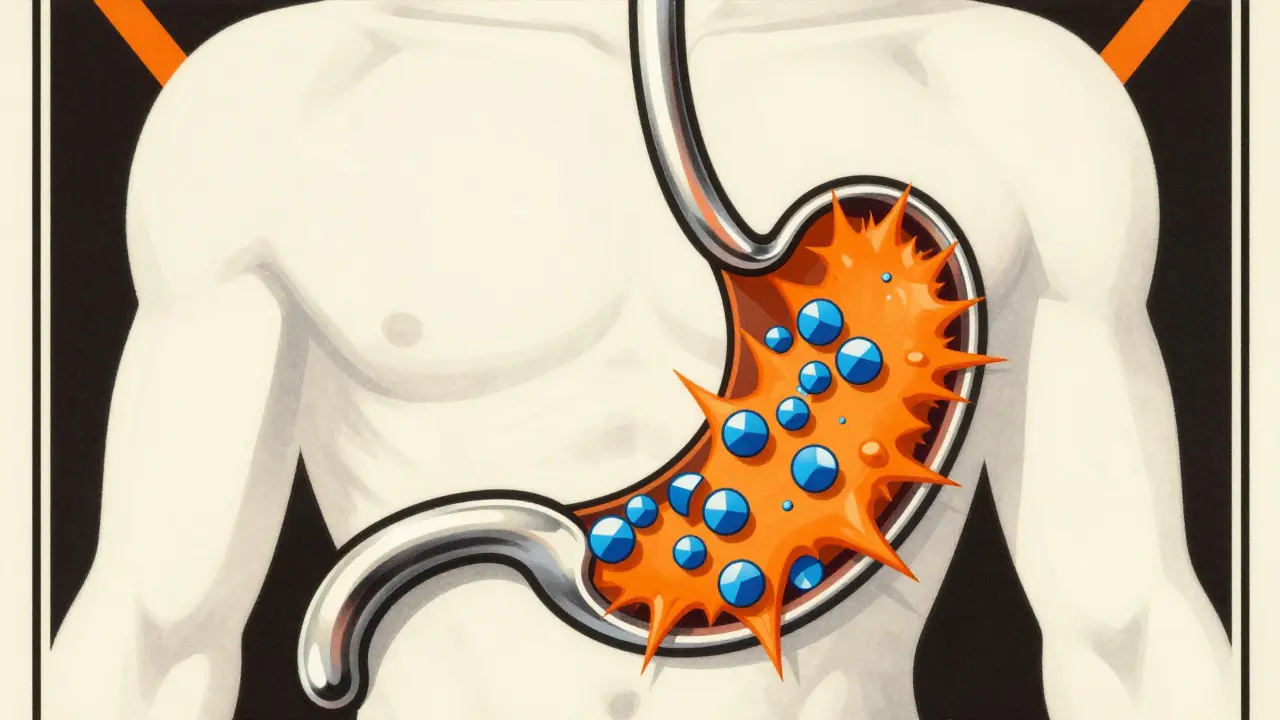
To understand the rule, you have to look at what happens in your stomach. Bisphosphonates are the most common class of prescription drugs used to treat osteoporosis by slowing bone loss. Brands like Fosamax, Actonel, and Boniva fall into this category. They work by inhibiting osteoclasts, the cells that break down bone tissue.
The problem is absorption. Bisphosphonates are notoriously difficult for the body to absorb. Under perfect conditions, your gut only takes up about 0.6% to 12% of the pill you swallow. That’s tiny. Now, introduce magnesium into the mix. Whether it comes from a supplement, an antacid like Milk of Magnesia, or even certain laxatives, magnesium ions bind to the phosphonate groups in the drug. This creates an insoluble complex-a chemical clump that your intestinal walls simply cannot process.
When this binding occurs, the drug passes right through you. Studies show that co-administering magnesium can reduce bisphosphonate absorption by 40% to 60%. In practical terms, if you take them together, you might get less than half the therapeutic dose. Over months or years, this leads to treatment failure. Your bone mineral density (BMD) stops improving, or worse, it starts dropping again.
The Golden Rule: Two Hours Apart
So, what’s the fix? The answer is simple but requires discipline. You must separate these two substances by at least two hours. This isn’t a guideline; it’s a requirement found in FDA prescribing information and endorsed by major health organizations like the National Institutes of Health (NIH).
Here is how the clock works:
- If you take the osteoporosis med first: Wait a full two hours before taking any magnesium-containing product.
- If you take magnesium first: Wait at least two hours before taking your bisphosphonate.
Why two hours? It’s based on gastric emptying time. Most supplements and pills clear the stomach within one to two hours. By waiting this long, you ensure the bisphosphonate has moved past the primary site of interaction in the upper gastrointestinal tract. Some experts recommend being conservative and aiming for three hours if you have slower digestion, but two hours is the clinical minimum.
Note that this rule applies specifically to oral bisphosphonates. If you receive intravenous (IV) bisphosphonates, such as Zoledronic Acid (Reclast), this interaction doesn’t apply because the drug bypasses your digestive system entirely. However, oral meds are far more common due to convenience.
The Hidden Sources of Magnesium
The biggest trap patients fall into isn’t their dedicated magnesium pill. It’s the hidden sources. Many people don’t realize that common over-the-counter products contain high levels of magnesium.
Antacids are the usual suspects. Products like Maalox, Mylanta, and Milk of Magnesia often use magnesium hydroxide or magnesium carbonate to neutralize stomach acid. A single dose of Milk of Magnesia can contain up to 800mg of magnesium. Taking this for heartburn while on Fosamax is a recipe for disaster.
Laxatives are another culprit. Magnesium citrate and magnesium oxide are frequent ingredients in bowel prep kits and daily laxatives. Even some multivitamins contain enough magnesium to trigger this interaction if taken too close to your bone medication.
Check your labels. If you see "magnesium" anywhere in the active ingredients list, treat it with the same caution as a standalone magnesium supplement. This includes certain electrolyte drinks and even some bottled waters, though the latter rarely contains enough to cause significant issues unless consumed in massive quantities.
Building a Bulletproof Routine
Knowing the rule is easy. Sticking to it when you’re juggling five other medications is hard. Dr. Felicia Cosman, a leading expert in osteoporosis care, notes that non-adherence to dosing protocols is the single largest preventable cause of treatment failure. Here is a practical routine to lock this in.
Step 1: Morning Priority Take your bisphosphonate first thing in the morning. Use a full glass of plain water (at least 8 ounces). Do not use coffee, juice, or mineral water. Stay upright for at least 30 minutes after taking it. This prevents esophageal irritation, a known side effect of these drugs.
Step 2: The Waiting Game Set a timer on your phone or smartwatch for 2 hours and 30 minutes. Yes, add the extra 30 minutes to your standard 2-hour buffer. During this time, avoid eating heavy meals if possible, as food can also delay gastric emptying and complicate the timeline. Light snacks are usually okay, but check with your doctor regarding specific dietary restrictions for your brand of bisphosphonate.
Step 3: Magnesium Time Once the timer goes off, you can take your magnesium supplement. This is also a good time to take other calcium or vitamin D supplements, as they also interfere with bisphosphonate absorption. Grouping your "interacting" supplements together makes it easier to remember the separation window.
Step 4: Visual Aids Pill organizers with just AM and PM compartments aren’t enough here. Consider a specialized 4-compartment organizer labeled specifically for "Med," "Wait," "Supplements," and "Evening." Or, use a whiteboard on your fridge with a simple schedule drawn out. Visual cues significantly improve adherence, especially for older adults managing complex regimens.
| Brand Name | Generic Name | Dosing Frequency | Magnesium Interaction Risk |
|---|---|---|---|
| Fosamax | Alendronate | Weekly | High (requires 2-hour separation) |
| Actonel | Risedronate | Weekly/Monthly | High (requires 2-hour separation) |
| Boniva | Ibandronate | Monthly | High (requires 2-hour separation) |
| Reclast | Zoledronic Acid | Yearly (IV) | None (bypasses GI tract) |
What About Food?
You’ve likely heard that leafy greens like spinach and kale are rich in magnesium. Does eating a salad cancel out your medicine? Generally, no. The magnesium in whole foods is bound within complex plant structures and absorbed differently than isolated magnesium salts in supplements. While extreme amounts of high-magnesium foods might theoretically have a slight impact, clinical guidelines focus primarily on supplements, antacids, and laxatives.
However, calcium-rich foods are a bigger concern for timing. Calcium competes with bisphosphonates for absorption pathways. So, while your spinach is safe, that glass of orange juice with added calcium or your breakfast yogurt needs to wait until after your 2-hour window has passed.

Real-World Consequences
Let’s talk about why this matters beyond the chemistry. A study published in the Journal of Clinical Endocrinology & Metabolism followed patients over 24 months. Those who properly separated their magnesium and bisphosphonates saw an 8.2% greater improvement in lumbar spine bone mineral density compared to those who didn’t. That percentage sounds small, but in the world of osteoporosis, it’s huge. It translates directly to fracture risk reduction.
Conversely, patients who ignore this rule often report "zero improvement" in their bone density scans despite taking their medication faithfully. They feel like they’re doing everything right, but the hidden interaction is sabotaging the treatment. One patient on a popular health forum shared that they fractured their wrist after taking magnesium for restless leg syndrome at the same time as their Fosamax for six months. Their scan showed no bone gain. The lesson was learned the hard way.
The Institute for Safe Medication Practices lists this interaction as "high-alert." It accounts for roughly 12% of reported osteoporosis treatment failures. This isn’t a rare edge case; it’s a common pitfall affecting millions.
Troubleshooting Adherence
If you struggle to remember the timing, try these hacks:
- Link it to a habit: Take your bisphosphonate immediately after brushing your teeth in the morning. Then, set a recurring alarm on your phone for 2:30 hours later labeled "Magnesium Time."
- Use technology: Smart pill bottles with Bluetooth reminders are becoming more common. Apps like Medisafe or Pillboxie can send notifications not just to take a pill, but to warn you about interactions.
- Review your pharmacy: Ask your pharmacist to flag your account. Many electronic health record systems now include mandatory alerts for this interaction. Ensure your prescriber knows you take magnesium so they can reinforce the timing instructions during appointments.
- Switch formulations: If the timing is impossible to manage, ask your doctor about IV bisphosphonates or non-bisphosphonate alternatives like Denosumab (Prolia), which do not have this specific gastrointestinal interaction.
Don’t let a simple timing error undermine your health. Osteoporosis is silent until it breaks something. Protect your investment in your bone health by respecting the clock. Two hours apart is all it takes to keep your medication working as intended.
Can I take my osteoporosis medication with food?
No. Oral bisphosphonates should be taken on an empty stomach with plain water only. Food, especially calcium-rich foods, can significantly reduce absorption. You must wait at least 30 minutes after taking the pill before eating or drinking anything other than water.
Does natural magnesium in vegetables interact with osteoporosis meds?
Generally, no. The magnesium found in whole foods like leafy greens, nuts, and seeds is bound in complex structures and does not create the same insoluble complexes as isolated magnesium supplements. However, calcium-rich foods still require separation.
What happens if I accidentally take them together?
If you take them together once, don’t panic. You will likely just lose that dose of medication. Do not double up on the next dose. Simply resume your normal schedule the following week (or day, depending on your regimen) and ensure strict separation going forward. Monitor your bone density scans regularly to ensure efficacy.
Are there osteoporosis drugs that don't have this interaction?
Yes. Intravenous bisphosphonates like Zoledronic Acid (Reclast) bypass the digestive system entirely. Additionally, non-bisphosphonate treatments such as Denosumab (Prolia), Teriparatide (Forteo), and Romosozumab (Evenity) do not have this specific magnesium absorption issue.
How long does it take for bisphosphonates to leave the stomach?
Gastric emptying typically takes 1 to 2 hours for liquids and light solids. This is why the 2-hour separation window is recommended. Individual variation exists based on metabolism, age, and other medications, so erring on the side of caution with a longer wait is often beneficial.