
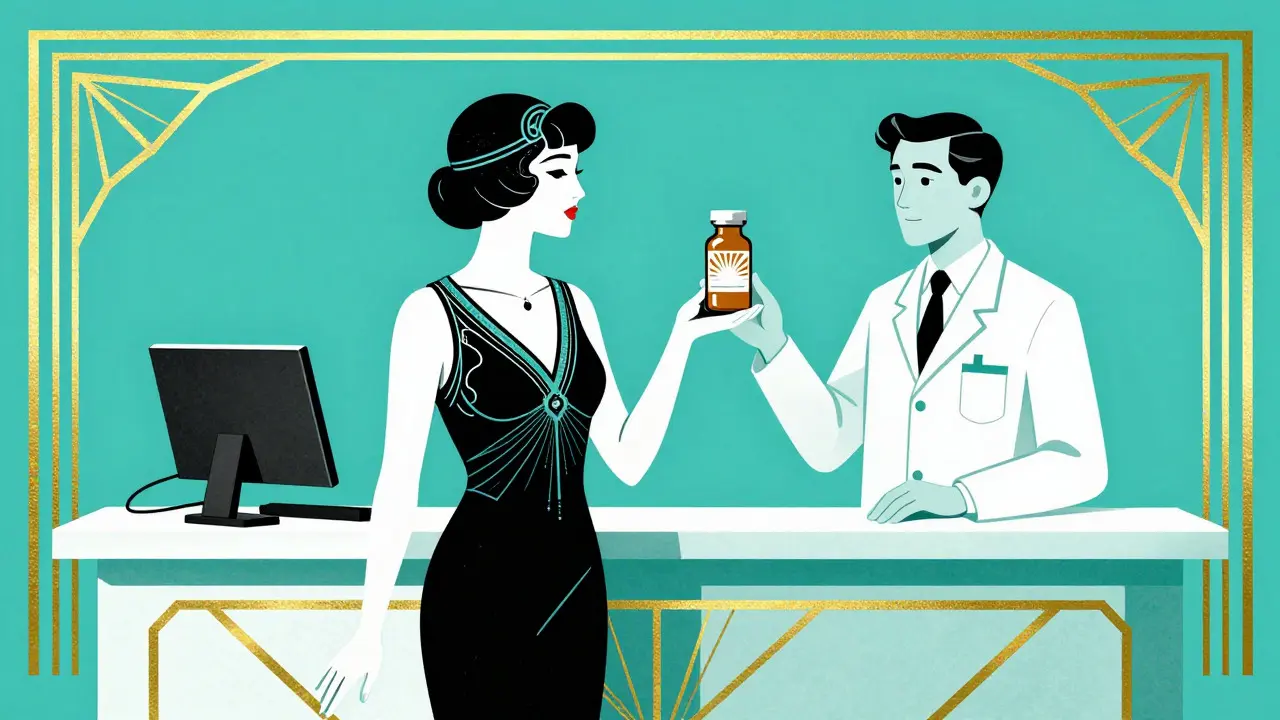
Imagine this: you’re holding a small bottle of pills that could save your health or, if used incorrectly, cause serious harm. It sounds dramatic, but the stakes are real. According to the CDC, adverse drug events, which include allergic reactions and errors, lead to roughly 1.3 million emergency room visits every year in the United States alone. That is not just a statistic; it represents millions of people facing unnecessary pain, extra costs, and disrupted lives. The good news? Most of these incidents are preventable.
You do not need a medical degree to keep yourself safe. You just need to understand the basics of medication safety. This guide breaks down how to use prescription drugs responsibly, from the moment they leave the pharmacy to the final dose in your cabinet. We will cover what questions to ask, how to spot red flags, and why your pharmacist is your best ally in staying healthy.
The Power of Asking Questions at the Pharmacy
Many patients walk out of the pharmacy with their bag, nodding politely without fully understanding what they just bought. This silence is where mistakes happen. The FDA recommends asking eight specific questions about every new prescription. Do not feel silly for asking; pharmacists expect these inquiries because they want you to succeed.
- Name and Active Ingredients: Know exactly what is in the pill. Is it generic or brand name?
- Purpose: What condition is this treating? If you cannot explain it back to the pharmacist, ask them to clarify.
- Dosage Instructions: When do you take it? With food or on an empty stomach? Morning or night?
- Appearance: What does the pill look like? Color, shape, and imprint matter, especially if you have multiple medications.
- Expiration Date: Check the label immediately. Expired drugs can lose potency or become unsafe.
- Side Effects: What common side effects should you expect? Which ones require an immediate call to the doctor?
- Contraindications: Are there foods (like grapefruit) or other medications you must avoid?
- Missed Dose Protocol: If you forget a dose, do you take it later or skip it entirely?
A study published in JAMA Network Open found that patients who used the "teach-back" method-where they explained instructions back to the provider in their own words-showed 40% better adherence. Try this next time you pick up a script. Say, "So, I take one blue pill before breakfast, right?" If the pharmacist corrects you, you just prevented a potential error.
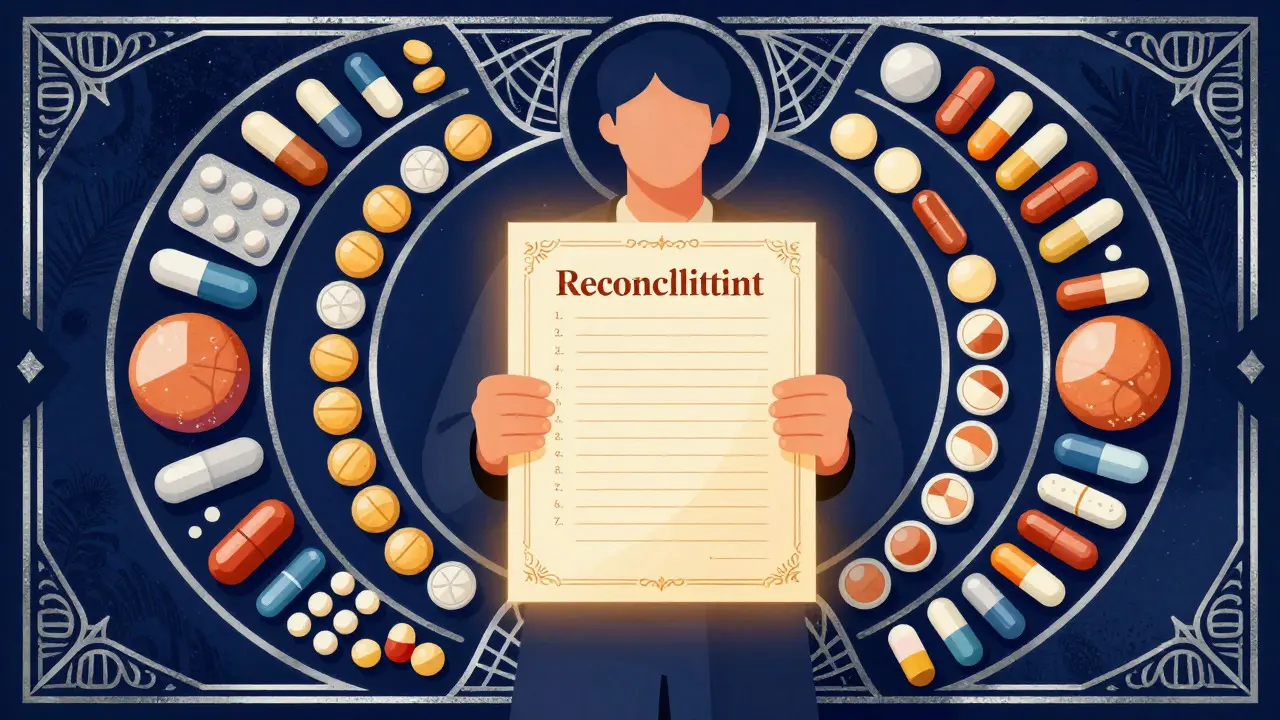
Understanding Medication Reconciliation
Have you ever switched doctors or gone to the hospital, only to find out the new team didn’t know about a medication you were already taking? This gap is dangerous. Medication reconciliation is the process of comparing your current medication orders against all the drugs you’ve been taking previously. The Joint Commission notes that accurate reconciliation prevents numerous prescribing errors that contribute to thousands of deaths annually in U.S. hospitals.
To protect yourself, maintain a comprehensive medication list. This isn't just for prescriptions. Include over-the-counter pain relievers, vitamins, herbal supplements, and even occasional antacids. Why? Because interactions can occur anywhere. For example, St. John’s Wort, a common supplement for mood, can interfere with birth control pills and blood thinners like warfarin.
Bring this list to every single appointment. Update it whenever you start or stop a medication. The CDC reports that 50% of medication errors occur during care transitions when complete histories are unavailable. By keeping your own records, you close that gap.
High-Alert Medications Require Extra Caution
Not all drugs carry the same risk profile. Some medications, known as high-alert medications, are particularly dangerous when errors occur. These include insulin, heparin, warfarin, and intravenous oxytocin. Data from the American Society of Health-System Pharmacists shows that these drugs account for 30% of all reported medication errors resulting in patient harm.
If you are prescribed one of these, double-check everything. Insulin users, for instance, must verify the type (Rapid-acting vs. Long-acting) and the dose every single time. A simple mix-up between units can lead to severe hypoglycemia. Warfarin requires regular blood tests to monitor clotting levels. Never assume you know the routine by heart; complacency is the enemy of safety.
Practical Tips for Daily Management
Living with a daily medication regimen can be overwhelming, especially if you manage multiple conditions. Here are practical strategies to stay organized and reduce errors:
- Use a Pill Organizer: Research indicates that pill organizers reduce errors by 35% in elderly patients. Seeing an empty slot gives you instant visual confirmation that you took your dose.
- Set Reminders: Smartphone alarms are free and effective. Sync them with your calendar so you remember refills too.
- Check Appearance: Pills can change color or shape between refills due to manufacturer changes. Always compare the new bottle to your old one. If it looks different, call the pharmacy before taking it.
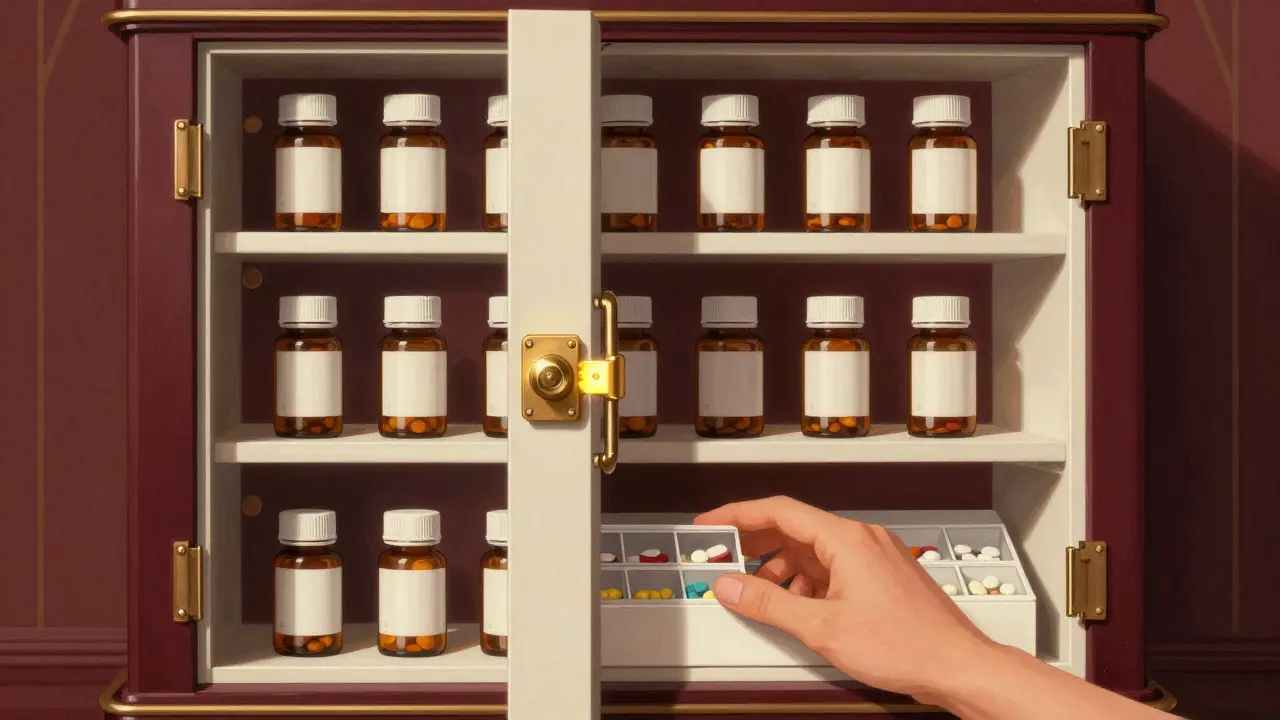
- Clean Out Your Cabinet: The Illinois Department of Public Health recommends semi-annual medicine cabinet clean-outs. Expired medications make up 38% of accidental pediatric poisonings. Throw away anything past its expiration date or unused for six months.
- Store Properly: Not all meds belong in the bathroom cabinet. Heat and humidity degrade many drugs. Keep most medications in a cool, dry place, unless the label says otherwise.
For those managing complex regimens (five or more medications), consider using a dedicated app. Many pharmacies offer apps that track doses and send notifications. However, technology is not foolproof. Always cross-reference with your physical label.
| Error Type | Risk Factor | Prevention Strategy |
|---|---|---|
| Look-alike/Sound-alike Confusion | Similar names (e.g., prednisone/prednisolone) | Ask pharmacist to point out each drug; use Tall Man Lettering awareness |
| Double Dosing | Forgetfulness, unclear instructions | Use pill organizer; set phone reminders |
| Premature Discontinuation | Feeling better, side effects | Finish full course (especially antibiotics); discuss side effects with doctor |
| Drug Interactions | Multiple providers, OTC use | Maintain updated medication list; consult pharmacist for all new additions |
Recognizing Red Flags and Side Effects
Knowing when to act is as important as knowing how to take your medication. Mild side effects like slight drowsiness might fade after a few days. But some symptoms demand immediate attention.
Contact your healthcare provider if you experience:
- Difficulty breathing or swelling of the face/lips (signs of an allergic reaction).
- Unusual bleeding or bruising (especially if on blood thinners).
- Severe nausea, vomiting, or diarrhea that prevents hydration.
- Sudden confusion, dizziness, or fainting.
- No improvement in symptoms after the expected timeframe.
Never ignore these signs hoping they will pass. Document when the symptom started and what you had taken recently. This information helps your doctor determine if the drug is the culprit.
The Role of Technology and Future Trends
Technology is changing how we handle medications. Electronic Health Records (EHRs) now integrate clinical decision support systems that alert doctors to potential interactions. In acute care settings, barcode-assisted administration has reduced errors by 51%. While these systems help professionals, patients benefit indirectly through safer prescribing practices.
However, new challenges arise with telehealth. The FDA noted a 200% increase in telehealth-related medication errors during the pandemic. Without a physical exam or direct interaction, miscommunication can slip through. When consulting via video, ensure your lighting is good so the doctor can see you clearly, and have your medication bottles nearby to show the screen.
Emerging tools like AI-powered review systems are promising. A 2023 study showed a 44% reduction in dangerous drug interactions when using such systems for reconciliation. As these technologies mature, expect more personalized safety alerts directly to your smartphone.
Building a Safety Culture at Home
Medication safety is a partnership. Doctors prescribe, pharmacists dispense, but you administer. Empower yourself by educating family members about your medications, especially if you live with others. Teach them how to recognize an overdose or missed dose scenario.
If you have children, keep all medications locked away. Child-resistant caps are helpful but not foolproof. Statistics show that expired meds in easy reach contribute significantly to pediatric poisonings. Treat your medicine cabinet like a tool shed: organized, accessible to adults, but secure from curious hands.
Finally, trust your instincts. If a medication feels wrong-if you feel unusually ill or notice strange changes in your body-stop and seek advice. You are the expert on your own body. No algorithm or protocol replaces your personal observation.
What should I do if I miss a dose of my medication?
It depends on the medication. Generally, if you remember shortly after the missed time, take it then. If it's almost time for the next dose, skip the missed one and resume your normal schedule. Never double up to make up for a missed dose unless specifically instructed by your doctor. Check the patient information leaflet or call your pharmacist for specific guidance on your drug.
Can I crush or split my pills?
Not always. Extended-release or enteric-coated pills are designed to release medication slowly or protect it from stomach acid. Crushing them can cause a sudden, dangerous surge of the drug. Look for a score line on the tablet, which usually indicates it can be split safely. Always ask your pharmacist before altering the form of any medication.
How often should I update my medication list?
Update it immediately whenever you start, stop, or change the dose of any medication, including over-the-counter drugs and supplements. Review it thoroughly before every doctor's appointment. This ensures that every healthcare provider you see has the most accurate picture of your health status.
Why is medication reconciliation important?
Medication reconciliation compares your current medications with new orders to prevent errors like duplications, omissions, or dangerous interactions. Studies show it reduces adverse events by 20-45% in hospital settings. It is critical during transitions of care, such as moving from hospital to home or switching specialists.
What are high-alert medications?
High-alert medications are drugs that carry a higher risk of causing significant patient harm when used in error. Examples include insulin, heparin, warfarin, and opioids. They require extra verification steps, such as double-checking doses and monitoring for side effects, to ensure safe administration.