

You might think you're doing your heart a favor by swapping regular table salt for a "healthy" substitute. Many of us do it to lower blood pressure or follow a doctor's advice to cut back on sodium. But if you're taking certain blood pressure medications, this simple switch could lead to a medical emergency. The problem isn't the substitute itself, but how it interacts with your meds to create a dangerous buildup of potassium in your blood.
For most people, salt substitutes is a product where sodium chloride is partially or fully replaced by potassium chloride to reduce sodium intake. While this helps lower blood pressure, it's a different story for those on specific prescriptions. When you mix these substitutes with medications that keep potassium in the body, you risk a condition called hyperkalemia, which is essentially potassium overload. If your levels get too high, it can cause your heart to beat irregularly or even stop entirely.
The Danger Duo: How Meds and Substitutes Interact
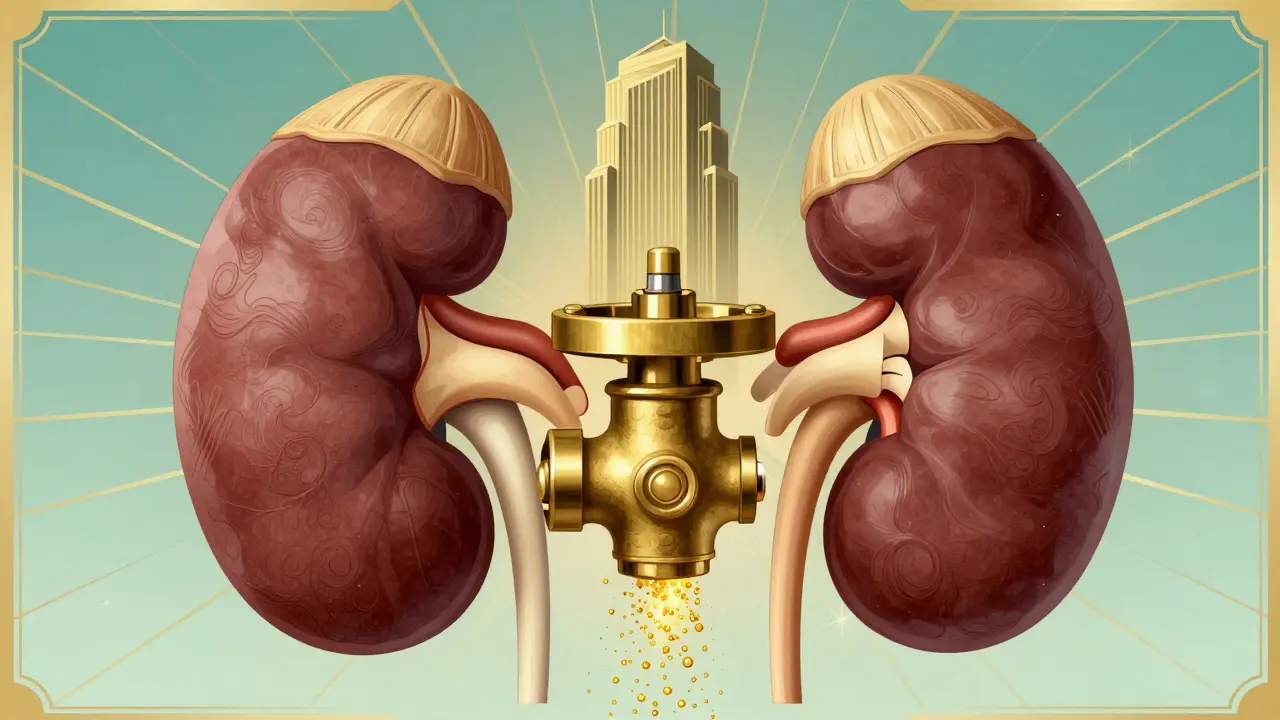
If you're treating hypertension, you might be taking ACE inhibitors (like Lisinopril) or ARBs (like Losartan). These drugs are great for protecting the kidneys and lowering blood pressure, but they do so by affecting a hormone called aldosterone. Normally, aldosterone tells your kidneys to get rid of extra potassium through your urine. ACE inhibitors and ARBs reduce the production or effect of aldosterone, which means your body holds onto more potassium than usual.
Now, imagine adding a salt substitute into the mix. Most of these products, such as LoSalt, replace a huge chunk of sodium with potassium chloride. While a healthy person's kidneys would just flush out the extra, someone on an ACE inhibitor or ARB has a "leaky faucet" that's been turned off. The potassium piles up in the bloodstream. In one documented case, a 72-year-old patient experienced cardiac arrest after their serum potassium hit 7.8 mmol/L-far above the safe limit-simply because they used a potassium-based salt substitute while on medication and having mild kidney issues.
Why Your Kidneys are the Deciding Factor
Not everyone is at the same risk level. It mostly comes down to your eGFR (estimated Glomerular Filtration Rate), which is the gold standard for measuring how well your kidneys filter waste. If your eGFR is high (above 90), your kidneys are likely efficient enough to handle the extra potassium. In fact, a 2025 study in JAMA showed that for people with normal kidney function, these substitutes actually reduced stroke recurrence by 14%.
However, if you have chronic kidney disease (CKD), specifically stage 3 or higher where the eGFR drops below 60, the risk flips. Your kidneys can't keep up with the intake. For these patients, the rate of hyperkalemia events jumps significantly when combined with ACE inhibitors. This is especially true for people with diabetes, who may have a condition called hyporeninemic hypoaldosteronism, making them even more prone to potassium spikes.
| Patient Profile | Risk Level | Likely Outcome | Recommendation |
|---|---|---|---|
| Normal Kidney (eGFR >90), No Meds | Low | Blood pressure drop, heart benefits | Safe to use |
| Normal Kidney, on ACE/ARBs | Moderate | Potential for mild potassium rise | Use with caution/monitoring |
| CKD (eGFR <60), on ACE/ARBs | High | Severe hyperkalemia, heart arrhythmias | Avoid potassium substitutes |
Spotting the Warning Signs
The scary thing about hyperkalemia is that it's often a "silent" killer until it's too late. You might not feel anything until your levels are critically high. However, some people do report early warning signs. Keep an eye out for severe muscle weakness, a tingling sensation in the hands or feet, or a feeling that your heart is skipping a beat or racing.
If you've recently switched to a "lite salt" or a potassium-based alternative and start feeling unusually tired or weak, don't ignore it. Some users on health forums have reported waking up in the ER with potassium levels over 6.0 mmol/L after only a few weeks of using these products. Remember, a normal potassium level is typically between 3.6 and 5.2 mmol/L. Once you cross 6.5 mmol/L, you're in the danger zone for life-threatening cardiac events.
Safer Ways to Cut the Salt
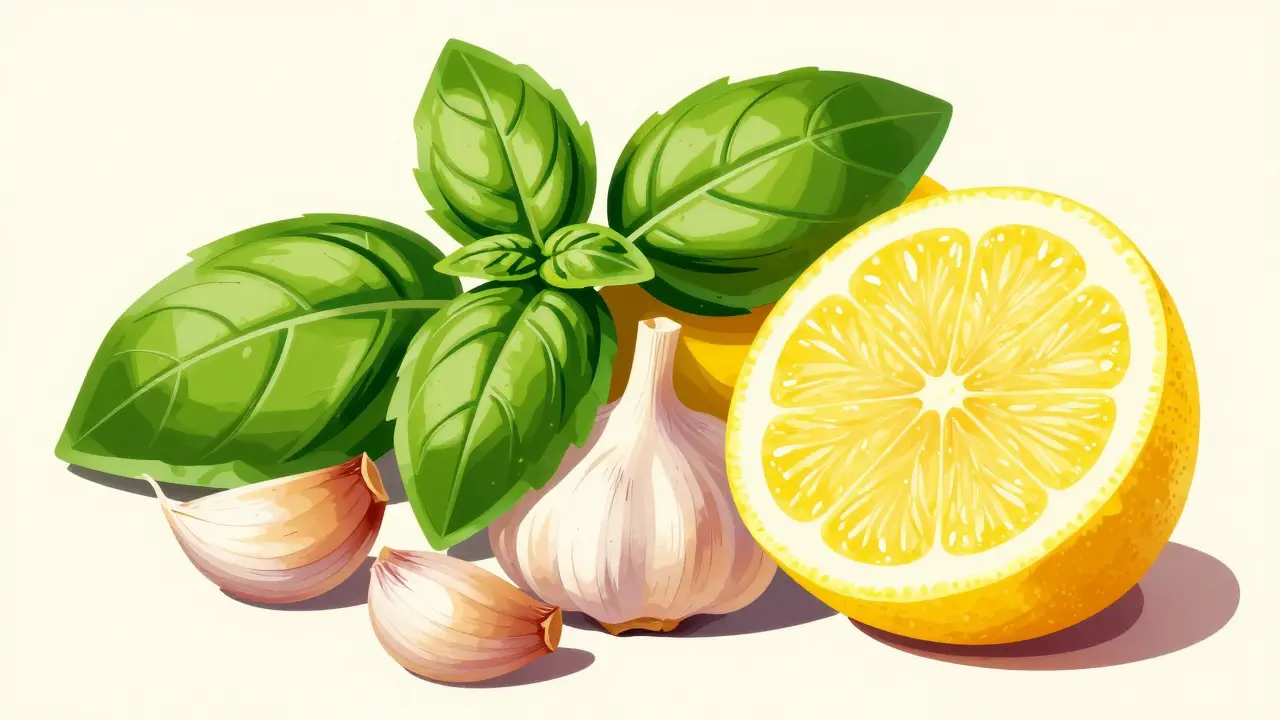
You don't have to go back to eating bland food just to stay safe. The goal is to reduce sodium without adding a dangerous amount of potassium. Instead of relying on chemical substitutes, focus on flavor-enhanced herbs and spices. Products like Mrs. Dash or homemade blends of garlic powder, onion powder, smoked paprika, and lemon zest provide a huge flavor punch with zero potassium risk.
Using fresh herbs like cilantro, basil, and parsley can help you achieve a 40-50% reduction in sodium intake without touching your potassium levels. If you really want to use a salt substitute, you must get your doctor's approval first. They will likely want to check your blood work every three months to ensure your potassium stays in a safe range. If your eGFR is below 45, the advice is simple: avoid potassium-containing substitutes entirely.
The Labeling Gap: What You Need to Look For
Don't trust the front of the package. Many brands market themselves as "heart healthy" or "low sodium" without mentioning the risks for people on medication. In the US, the FDA doesn't strictly require a warning about ACE inhibitors on these labels, though this is starting to change. Only a few major brands explicitly warn against their use in high-risk populations.
When you're shopping, flip the bottle over and look at the ingredients. If you see potassium chloride listed as a primary ingredient, treat it as a medication rather than a seasoning. If you are on Losartan, Lisinopril, Enalapril, or Valsartan, any product containing potassium chloride should be viewed as a potential risk until a doctor tells you otherwise.
Can I use "Lite Salt" if I'm on a blood pressure med?
It depends on the medication. If you are taking an ACE inhibitor or an ARB, "Lite Salt" (which is usually 50% potassium chloride) can be dangerous because it raises potassium levels while your meds prevent your body from flushing it out. Always check with your doctor first.
What is the safest alternative to salt?
The safest alternatives are herb and spice blends that contain no potassium chloride. Lemon juice, vinegars, garlic, and fresh herbs provide flavor without interfering with your medication or risking hyperkalemia.
How do I know if my potassium is too high?
The only sure way is through a blood test. However, symptoms of high potassium include muscle weakness, numbness, tingling, and irregular heartbeats. If you experience these, seek medical attention immediately.
Are all salt substitutes dangerous?
No. They are safe and even beneficial for the general population with healthy kidneys. They only become a major risk for people with chronic kidney disease or those taking specific medications like ACE inhibitors and ARBs.
What should I ask my doctor about this?
Ask: "Based on my latest eGFR and potassium levels, is it safe for me to use a potassium-based salt substitute?" and "How often should we monitor my potassium if I change my diet?"
Next Steps for Your Safety
If you're currently using a salt substitute and taking an ACE inhibitor or ARB, don't panic, but do take action. First, check the ingredient list for potassium chloride. If it's there, schedule a quick appointment with your GP to get a basic metabolic panel (blood test) to check your current potassium and creatinine levels.
For those with confirmed kidney issues (eGFR below 60), the best move is to swap the substitutes for a high-flavor, zero-potassium alternative immediately. If you feel the muscle weakness or heart palpitations mentioned earlier, head to urgent care. Your safety is worth more than a slightly saltier meal.