
SSRI Side Effect Comparison Tool
Which Side Effects Concern You Most?
Select your top concerns. This tool will show which SSRIs are best suited for your needs based on clinical evidence.
When you start taking an SSRI - whether it’s sertraline, fluoxetine, or escitalopram - you’re not just signing up for relief from depression or anxiety. You’re also signing up for a list of possible side effects, some mild, some surprising, and a few that can be serious. Most people expect to feel better eventually. What they don’t always expect is the wave of nausea, the loss of sex drive, or the weight that creeps on without explanation. The truth? SSRI side effects are far more common - and more complex - than most doctors have time to explain.
What Are SSRIs, Really?
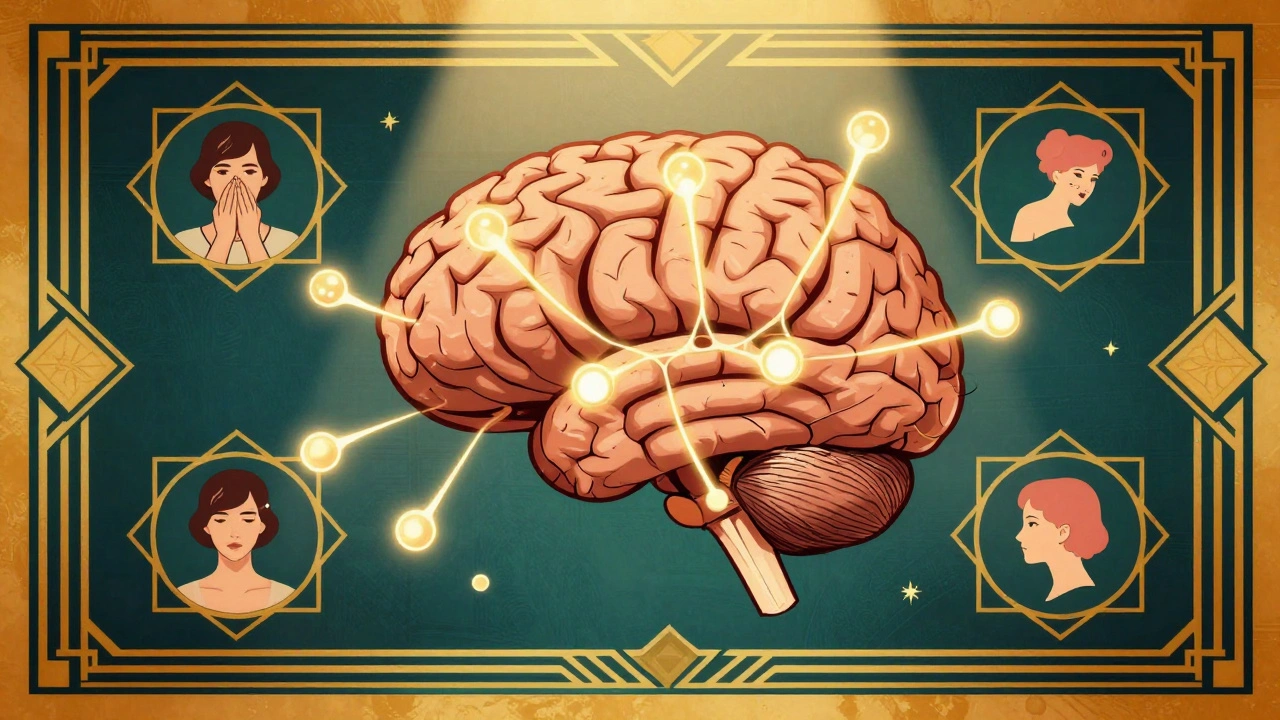
SSRIs, or selective serotonin reuptake inhibitors, are a class of antidepressants designed to increase serotonin levels in the brain. Serotonin helps regulate mood, sleep, appetite, and even sexual function. By blocking the reabsorption of serotonin, these drugs keep more of it available between nerve cells. It sounds simple. But the brain isn’t a light switch. It’s a network of delicate connections, and changing serotonin levels doesn’t just fix one thing - it ripples through everything. Fluoxetine (Prozac) was the first SSRI approved in the U.S. back in 1987. Since then, they’ve become the most prescribed antidepressants worldwide. In the U.S. alone, about 13% of adults took some form of antidepressant between 2015 and 2018. SSRIs make up nearly half of all antidepressant prescriptions today. Why? Because they’re safer than older drugs like tricyclics or MAOIs. But safety doesn’t mean no side effects. It just means the risks are different.Most Common Side Effects - And How Often They Happen
If you’ve ever read a drug leaflet, you know it’s full of tiny print listing every possible side effect. But here’s what really matters: what actually happens to real people. A 2023 study of 401 people taking SSRIs found that 86% experienced at least one side effect. More than half said these side effects were bad enough to mess with their daily life. The top ones:- Sexual dysfunction - 56% of users. This includes low libido, trouble getting or keeping an erection, delayed or absent orgasm. It’s the #1 reason people stop taking SSRIs.
- Drowsiness or sleepiness - 53%. Some feel foggy all day. Others just can’t stay awake after lunch.
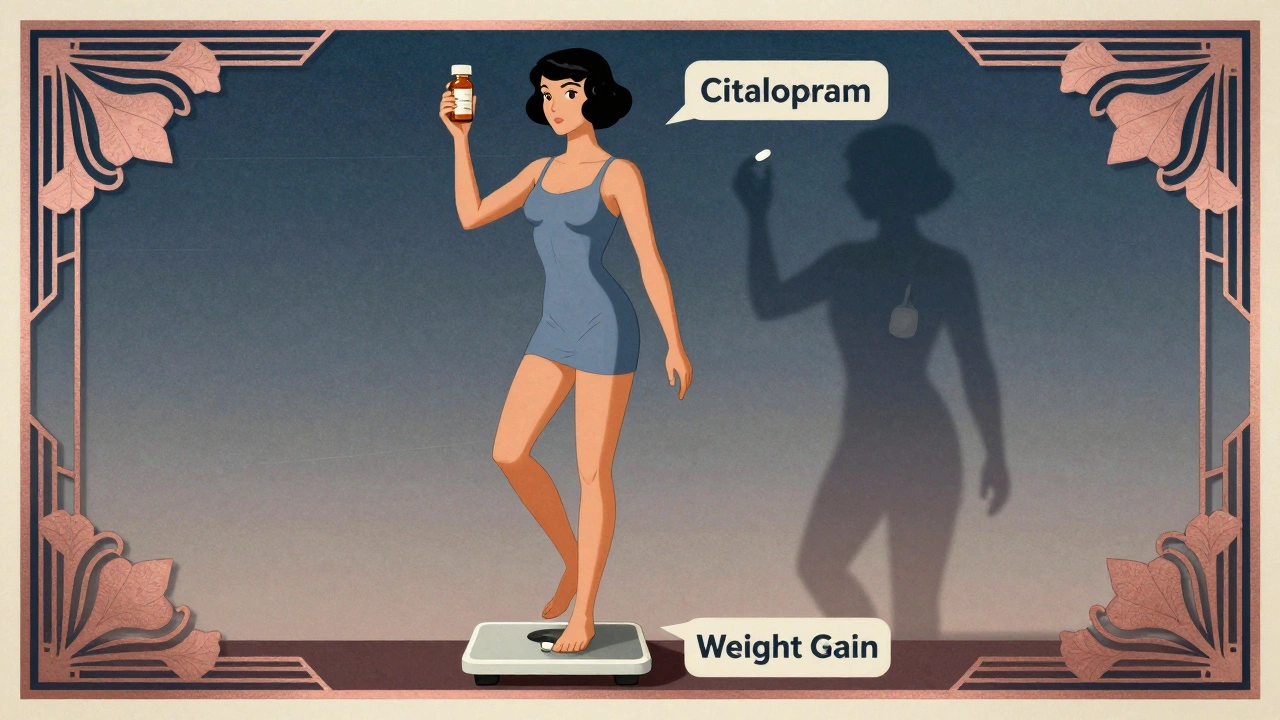
- Weight gain - 49%. Not everyone gains weight, but enough do that it’s a major concern. Some gain 5-10 pounds in the first few months.
- Nausea - 14%. Often worse in the first week. Many people feel sick to their stomach, especially if they take it on an empty stomach.
- Insomnia - 16%. Ironically, while some feel sleepy, others can’t fall asleep or wake up in the middle of the night.
- Dizziness and fatigue - 13% and 14% respectively. These can make driving or working feel risky.
SSRI Side Effects That Vary by Drug
Not all SSRIs are the same. Even though they work the same way, each one has its own fingerprint of side effects.- Escitalopram (Lexapro) - Higher rates of headache, dizziness, memory problems, and trouble concentrating. Some users report feeling mentally “fuzzy.”
- Sertraline (Zoloft) - More likely to cause loss of appetite early on. Also the most prescribed SSRI in the U.S., with over 48 million prescriptions in 2023.
- Paroxetine (Paxil) - Has the highest rate of sexual side effects and weight gain. Also causes the worst withdrawal symptoms when stopped abruptly.
- Fluoxetine (Prozac) - Often linked to insomnia and jitteriness. But it stays in your system longer, which can make withdrawal easier.
- Fluvoxamine - Tied to the most side effects overall and the highest discontinuation rate in clinical trials.
The Silent Problem: Sexual Dysfunction
Ask any patient forum - Reddit’s r/antidepressants, Drugs.com reviews, NAMI surveys - and sexual side effects come up again and again. It’s not just a footnote. It’s the reason so many people quit. Studies show up to 70% of long-term SSRI users experience some form of sexual dysfunction. For men, that means trouble getting an erection or delayed ejaculation. For women, it’s reduced arousal, trouble reaching orgasm, or complete loss of interest in sex. And here’s what’s rarely discussed: it doesn’t always go away after stopping the drug. Some people report symptoms lasting months - even years. Why does this happen? SSRIs overstimulate certain serotonin receptors in the spinal cord and brain areas that control sexual response. It’s not just “being depressed” - it’s a direct chemical effect. What helps? Some people reduce their dose. Others take “medication holidays” - skipping the pill for a day or two around sexual activity. A 2021 study found this worked for 28% of users. For men, sildenafil (Viagra) improved sexual function in 67% of cases in a controlled trial. Adding bupropion (Wellbutrin), which doesn’t affect serotonin the same way, is another common strategy. But none of these are perfect. And none are guaranteed.
Weight Gain - It’s Not Just About Eating More
People assume weight gain from SSRIs is just from emotional eating. But it’s more than that. Studies show SSRIs can directly affect metabolism, insulin sensitivity, and even muscle energy use. A 2023 meta-analysis found that patients on SSRIs gained, on average, 2-5 pounds over six months. But those who added structured diet and exercise gained 3.2 pounds LESS than those who didn’t. That’s a big difference. The FDA updated its safety warnings in June 2023, noting a 24% increased relative risk of developing insulin resistance and type 2 diabetes with long-term SSRI use. This isn’t just about weight. It’s about how your body handles sugar. If you’re on an SSRI for more than a year, ask your doctor about checking your fasting blood sugar and HbA1c. Catching metabolic changes early can prevent bigger problems down the road.When Side Effects Turn Dangerous
Most side effects are annoying. A few can be life-threatening. Serotonin syndrome is rare - but deadly. It happens when too much serotonin builds up, usually because you’re mixing SSRIs with other drugs like tramadol, certain migraine meds, St. John’s wort, or even some cough syrups. Symptoms start with shivering, sweating, fast heartbeat, and restlessness. Then it can escalate to confusion, muscle rigidity, high fever, and seizures. If you feel this way, go to the ER immediately. Hyponatremia - low sodium in the blood - is another hidden risk. It’s most common in older adults, especially women, and often shows up in the first few weeks. Signs: nausea, confusion, headaches, seizures. Blood tests can catch it early. If you’re over 65 or on diuretics, ask for a sodium check after starting an SSRI. Extrapyramidal symptoms (EPS) are movement problems that look like Parkinson’s: tremors, stiffness, inability to sit still (akathisia). These are more common in older patients or those with neurological conditions. Akathisia - the urge to move constantly - is often mistaken for worsening anxiety. But it’s a drug reaction. Tell your doctor if you feel “on edge” or can’t sit still. And then there are rare but terrifying skin reactions: Stevens-Johnson syndrome, toxic epidermal necrolysis. These cause blistering, peeling skin, and fever. If you develop a sudden rash, mouth sores, or flu-like symptoms after starting an SSRI, stop the drug and get help right away.Discontinuation Syndrome - The Hidden Withdrawal
Stopping an SSRI suddenly isn’t like quitting caffeine. It’s like yanking a wire from a live circuit. Your brain has adapted to the extra serotonin. When it’s gone, you get withdrawal symptoms - even if you’ve only been on it for a few weeks. Symptoms include:- Dizziness or vertigo
- Electric shock sensations (“brain zaps”)
- Nausea, vomiting
- Insomnia or vivid dreams
- Anxiety, irritability
- Flu-like fatigue
Why Side Effects Are Worse in Real Life Than in Trials
Clinical trials report side effects in about 20-30% of users. But real-world data? Up to 80%. Why the gap? Trials exclude people with other health problems. They’re short - usually 6-12 weeks. And they don’t track long-term effects like sexual dysfunction or weight gain in detail. Real people? They’re on the drug for years. They take it with other meds. They’re older. They have diabetes, high blood pressure, or thyroid issues. Dr. David Healy, a leading psychopharmacologist, says side effects in trials are underreported by 2-3 times. That’s not negligence. It’s how trials are designed. But it leaves patients blindsided.How to Manage Side Effects - Practical Tips
You don’t have to suffer through every side effect. Here’s what works:- Nausea? Take your pill with food. Most people see improvement within 3 weeks.
- Insomnia? Take your dose in the morning. Avoid caffeine after noon.
- Drowsiness? Try taking it at night instead. Some SSRIs (like paroxetine) actually cause sleepiness - that’s why they’re sometimes used for anxiety with insomnia.
- Diarrhea? Loperamide (Imodium) helped 65% of patients in one study. Stay hydrated.
- Sexual side effects? Talk to your doctor about bupropion, dose reduction, or sildenafil. Don’t suffer in silence.
- Weight gain? Start a walking routine. Even 30 minutes a day helps. Track your food. Don’t assume it’s “just the meds.”
- Withdrawal symptoms? Never quit cold turkey. Work with your doctor on a slow taper.
What Comes Next? New SSRIs and Better Choices
Pharmaceutical companies aren’t ignoring the problem. One new drug in Phase III trials, Lu AF35700, shows 37% less sexual dysfunction than traditional SSRIs. That’s huge. Genetic testing is also becoming more common. Some labs can now test for gene variants that make you more likely to have side effects like weight gain or sexual dysfunction. If your doctor offers pharmacogenetic testing, it’s worth considering - especially if you’ve had bad reactions to antidepressants before. Mental health groups like NAMI are pushing for better patient education. Their 2023 campaign led to a 22% increase in patients reporting side effects to their doctors. That’s progress.Final Thoughts: It’s Not All or Nothing
SSRIs help millions. But they’re not magic pills. They come with trade-offs. The goal isn’t to avoid them entirely - it’s to use them wisely. If you’re struggling with side effects, you’re not weak. You’re not failing. You’re just human. And there are options: switching drugs, adjusting dose, adding support meds, or combining therapy with medication. The best treatment isn’t the one with the fewest side effects. It’s the one you can stick with. And that starts with knowing what you’re signing up for - before you take the first pill.Do SSRI side effects go away over time?
Many side effects - like nausea, dizziness, and headaches - improve within 2 to 6 weeks as your body adjusts. But some, like sexual dysfunction and weight gain, often persist. If side effects don’t get better after a month or are too disruptive, talk to your doctor about adjusting your dose or switching medications.
Can SSRIs cause permanent sexual problems?
In rare cases, yes. Some people report lasting sexual side effects even after stopping SSRIs, a condition sometimes called Post-SSRI Sexual Dysfunction (PSSD). While the exact mechanism isn’t fully understood, it’s documented in medical literature and patient reports. If you experience persistent sexual issues after stopping, consult a specialist.
Which SSRI has the least side effects?
Citalopram and fluoxetine are generally considered the best tolerated. Citalopram has lower rates of sexual dysfunction and weight gain. Fluoxetine has a long half-life, which reduces withdrawal symptoms. However, individual responses vary - what works for one person may not work for another.
How long does SSRI withdrawal last?
Withdrawal symptoms usually begin within 1-3 days after stopping and last 1-3 weeks. For drugs with short half-lives like paroxetine, symptoms can be more intense and last longer. Tapering slowly over several weeks can reduce or prevent withdrawal. In rare cases, symptoms like brain zaps or dizziness may linger for months - but this is uncommon with proper tapering.
Can I take SSRIs with other medications?
Some combinations are dangerous. Never mix SSRIs with MAOIs, tramadol, certain migraine meds (triptans), St. John’s wort, or dextromethorphan (in some cough syrups). These can cause serotonin syndrome. Always tell your doctor and pharmacist about every medication, supplement, or herb you’re taking.
Are SSRIs safe for long-term use?
For many people, yes - especially when benefits outweigh side effects. But long-term use increases risks like weight gain, metabolic changes, and possible insulin resistance. Regular check-ups for blood sugar, cholesterol, and weight are recommended. If you’ve been on an SSRI for more than a year, discuss with your doctor whether continuing is still the best option.
Geraldine Trainer-Cooper
December 5, 2025 AT 13:15brenda olvera
December 6, 2025 AT 02:48Karen Mitchell
December 7, 2025 AT 07:33Chris Park
December 8, 2025 AT 10:49Saketh Sai Rachapudi
December 9, 2025 AT 00:54Katie O'Connell
December 9, 2025 AT 13:08Clare Fox
December 10, 2025 AT 11:36Kenny Pakade
December 10, 2025 AT 12:37Brooke Evers
December 12, 2025 AT 01:21